A week after Senegal’s victory in the Africa Cup of Nations final in Rabat, the celebration is overshadowed by a series of unanswered questions and growing controversy. What should have been a moment of glory for Senegal has instead turned into a tense waiting game, marked by silence from global football authorities and procedural challenges from Morocco. At the heart of the storm are two glaring red flags: the complete lack of recognition from FIFA, and a conspicuous omission on official platforms from the Confederation of African Football (CAF). These oddities are now compounded by a formal disciplinary investigation launched by Morocco’s football federation.
Ordinarily, FIFA is quick to acknowledge the outcome of major tournaments. It typically issues statements, highlights key moments, and congratulates the winners. This time, however, there’s nothing. No photos, no match reports, not even a congratulatory post. Gianni Infantino, who was present at the stadium, hasn’t said a word. And footage from the game shows him visibly displeased as he watched from the sidelines during a sudden, unexplained break in play—one that saw Senegal’s players leave the pitch without the referee’s permission, raising serious concerns about protocol breaches.
Equally baffling is the CAF’s inaction. As of now, Senegal does not appear on the governing body’s official list of champions. The site still names Ivory Coast as the most recent winner from 2023. Normally, this kind of update is routine and done within 24 hours of the final whistle. But this delay has only fueled suspicion, especially after CAF confirmed it had opened disciplinary proceedings linked to the final.
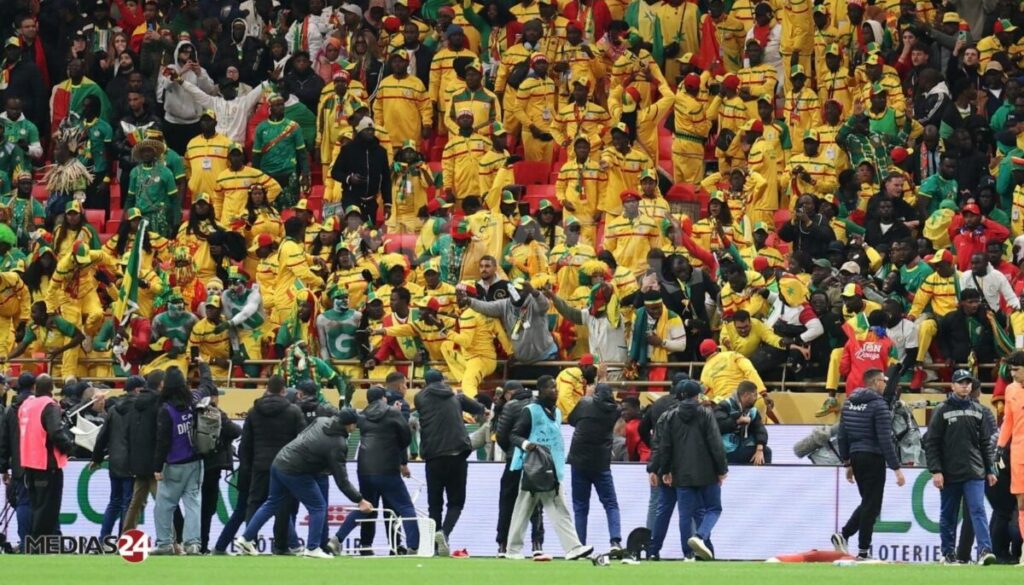
Sources close to the investigation say the move stems from a formal complaint by Morocco’s football federation. They’ve raised serious concerns about multiple aspects of the match. Their objections include the conduct of Senegalese fans, a series of controversial refereeing decisions, and the unsanctioned exit—and later return—of Senegal’s players to the locker room during the game.
Video footage from the match, widely circulated online, has strengthened Morocco’s position. Officials believe they have a strong case, grounded in clear violations of the rules. If the disciplinary panel sticks strictly to the rulebook, they argue, there may be grounds to overturn the match’s outcome.
The disciplinary committee is now reviewing the case, and a decision could come soon. However, depending on how the hearings unfold—especially interviews with the referee and Senegal’s head coach—the process could drag on. Any ruling may be appealed by either side, potentially escalating the matter to FIFA, and if necessary, to the Court of Arbitration for Sport. Still, that’s not inevitable. If both parties accept the initial ruling, the matter could end swiftly.
For now, there’s a deep and awkward silence from the two institutions that govern football in Africa and worldwide. Senegal’s win remains unconfirmed, both symbolically and officially. As the days tick by with no acknowledgment from FIFA or CAF, the legitimacy of the title continues to hang in limbo.