

The International Olympic Committee has introduced new rules for women’s competitions, including mandatory genetic testing and restrictions on transgender athletes and some athletes with Differences in Sexual Development.
The policy was adopted in March 2026 and replaces the IOC’s more inclusive approach from 2021.
Under the new policy, athletes entering women’s events must take a one-time test for the SRY gene, which is linked to male biological development.
Only athletes classed as biological females will be allowed to compete in the women’s category at the Los Angeles 2028 Olympics and future Games.
The IOC says the changes are meant to protect fairness, safety and the integrity of women’s sport.
It says research shows athletes who go through male puberty may have performance advantages of 10–12% in endurance sports and much higher advantages in power sports such as boxing and weightlifting, even after hormone treatment.
Athletes with rare conditions such as Complete Androgen Insensitivity Syndrome will still be allowed to compete.
The IOC’s decision follows similar moves by other international sports bodies that have introduced limits on transgender women and some athletes with DSD in elite women’s competitions.
The issue has become a major global debate in sport.
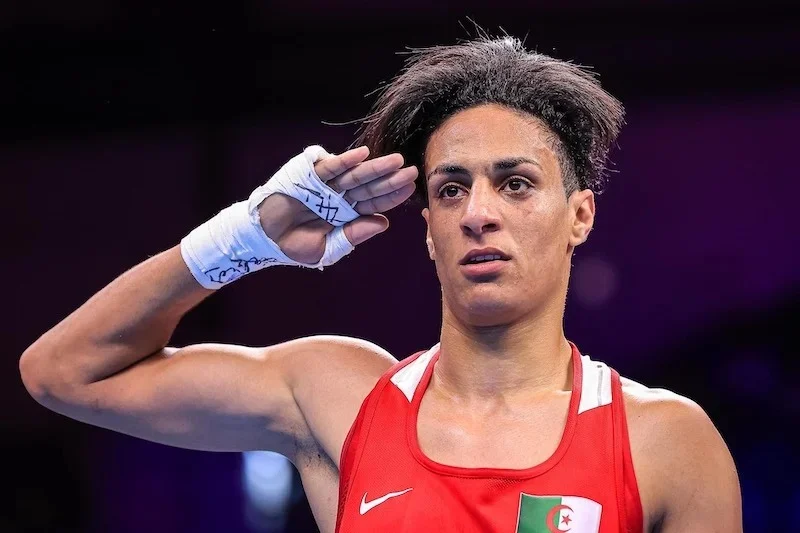
The new rules have put attention back on Algerian boxer Imane Khelif, who won gold at the Paris 2024 Olympics.
Her participation caused controversy because she had been disqualified from the 2023 World Championships by the International Boxing Association after undisclosed tests. The IOC later allowed her to compete in Paris.
Since winning Olympic gold, she has not taken part in major amateur tournaments.
In 2025, World Boxing introduced genetic testing and barred her from its World Championships. She appealed the decision at the Court of Arbitration for Sport, saying the rules are discriminatory and violate her rights.
The court refused to lift the ban while the case is ongoing, meaning she cannot compete in major events for now.
Khelif has said she is willing to take the IOC’s tests to defend her Olympic title in 2028 if the process respects the dignity of female athletes.