

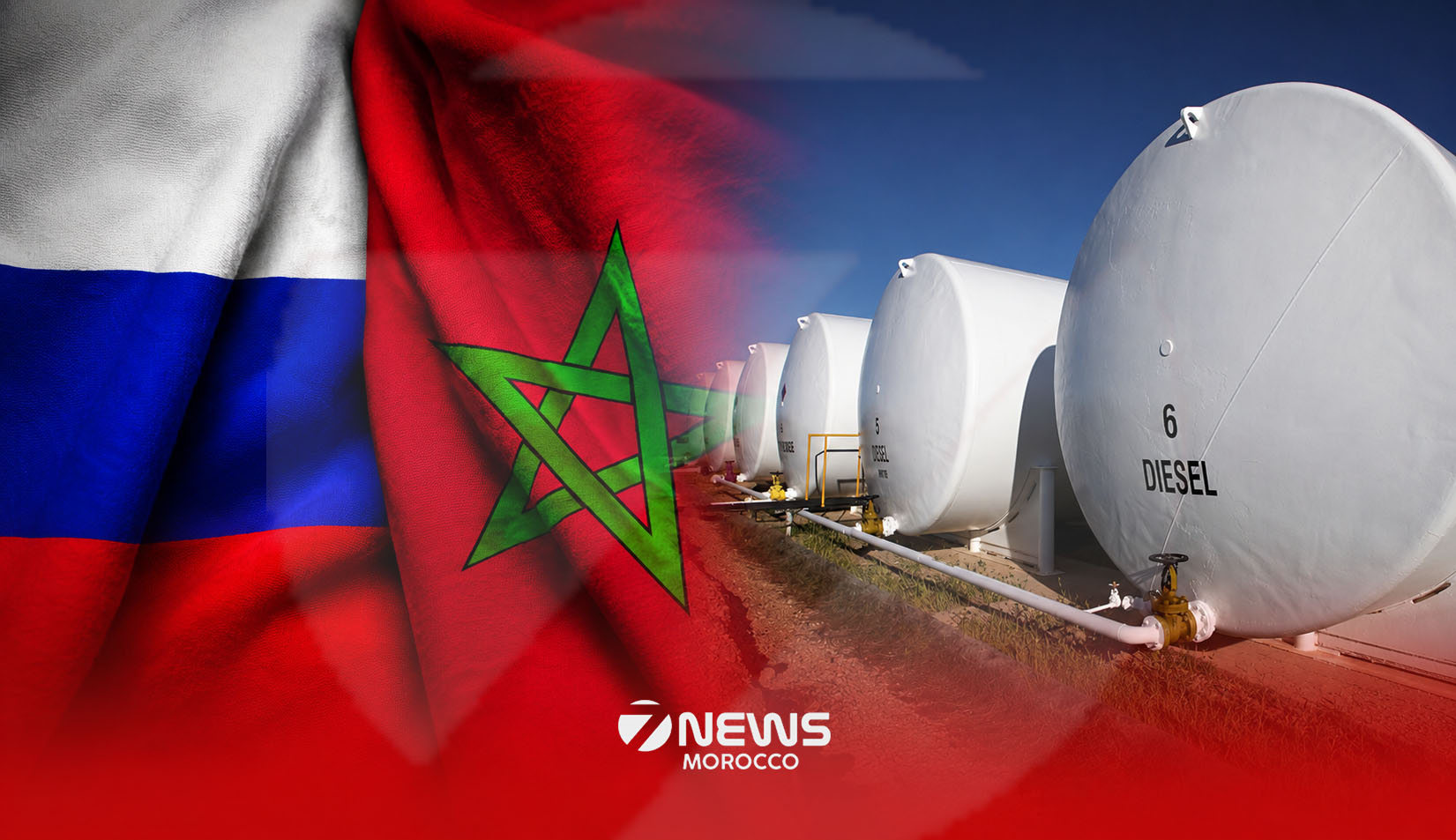
Russian diesel is continuing to arrive in Morocco by sea, even as Russia’s energy system is disrupted by drone strikes, sanctions and shifting global trade routes.
Morocco has become a steady buyer of Russian diesel and gasoil. In April, Russia shipped about 3.25 million tons of these fuels by sea, an 8% increase from March. The overall level is similar to last year, showing that exports have stayed stable despite the pressure on supply chains.
The rise comes at a time when Russia’s oil infrastructure is under strain. Ukrainian drone attacks have hit several refineries and ports, while bad weather has also slowed some operations. Even so, shipments have continued, helped by strong global demand and higher prices linked to tensions in the Middle East.
Turkey and Brazil remain the biggest buyers of Russian fuel. But Morocco is now firmly on the list of regular importers, along with countries such as Ghana and Syria, as trade patterns shift following Western sanctions.
Some Russian export routes have been more affected than others. Diesel shipments from the Baltic port of Primorsk dropped by 17% in April. In the Black Sea, the Tuapse refinery stopped operations after a drone strike on 16 April, further disrupting supply.
To keep fuel moving, some shipping companies are using indirect and less transparent routes. Around 500,000 tons of diesel are being held near Port Said in Egypt and Limassol in Cyprus for ship-to-ship transfers at sea. Another 340,000 tons are sailing without a declared destination, a practice often linked to so-called “shadow fleet” operations.
Morocco’s role in this trade has grown sharply since the European Union banned imports of Russian refined fuels in 2023. In 2021, Morocco imported around 66,000 tons of Russian diesel. That has now risen to more than 735,000 tons, according to Refinitiv data.
Officials in Rabat say Russian fuel now makes up about 13% of Morocco’s diesel imports. They argue the imports help secure supply and offer prices that are around 6% cheaper than other sources.
The increase has also sparked debate inside Morocco. Some analysts and political voices question whether Moroccan ports are being used as a stopover point for Russian fuel headed elsewhere. The government has not directly addressed those claims, but says diversified imports are needed to keep fuel prices and supply stable.
Prime Minister Aziz Akhannouch’s government has faced pressure over high fuel costs, which remain a sensitive issue for households and businesses. Officials say importing cheaper fuel helps reduce price swings in the domestic market.
At the same time, Morocco is trying to balance its energy needs with its diplomatic ties, maintaining relations with both Western countries and Russia while navigating a more uncertain global energy market.


