

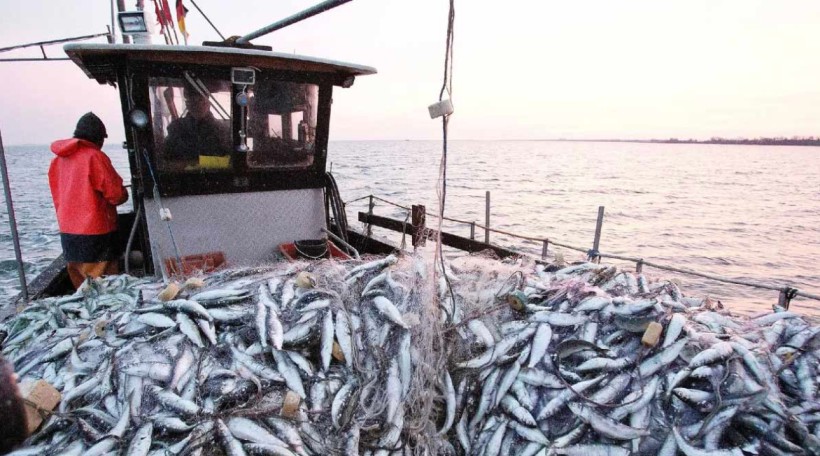
Morocco has introduced a 12-month licence requirement for the export of fresh and frozen sardines starting on 1 February as authorities seek to stabilise prices and protect fish stocks, announced by the Ministry of Industry and Commerce.
The measure covers other fish including crustaceans, molluscs and aquatic invertebrates. Exporters must now obtain a licence to ship these products abroad.
Officials said the move is part of a preventive plan to keep sardine prices steady, particularly ahead of the Holy Month of Ramadan.
The decision comes amid warnings from Morocco’s Court of Accounts about overfishing. Its latest report show that sardines in the Mediterranean are being exploited at 150 percent of their sustainable capacity. The report also notes that Morocco, Africa’s top fishing nation and 13th globally, relies on the sector for 1.1 percent of GDP and over 260,000 jobs, but faces pressures from overfishing, weak monitoring, delayed regulations, and a lack of a long term strategy since the end of the Halieutis plan (2009-2020).
The Court cited research from the National Institute of Fisheries Research showing several species, including small pelagic, cephalopods, crustaceans, and demersal fish, are fished beyond biologically safe levels. It also criticised current management for focusing on single-species stocks rather than the wider marine ecosystem.
Sardines in the Mediterranean, along with white hake which is exploited at then times its sustainable level, were singled out as critical concerns, the court said these trends reveal a gap between scientific advice and actual practices, despite existing management plans for commercially important fisheries.