

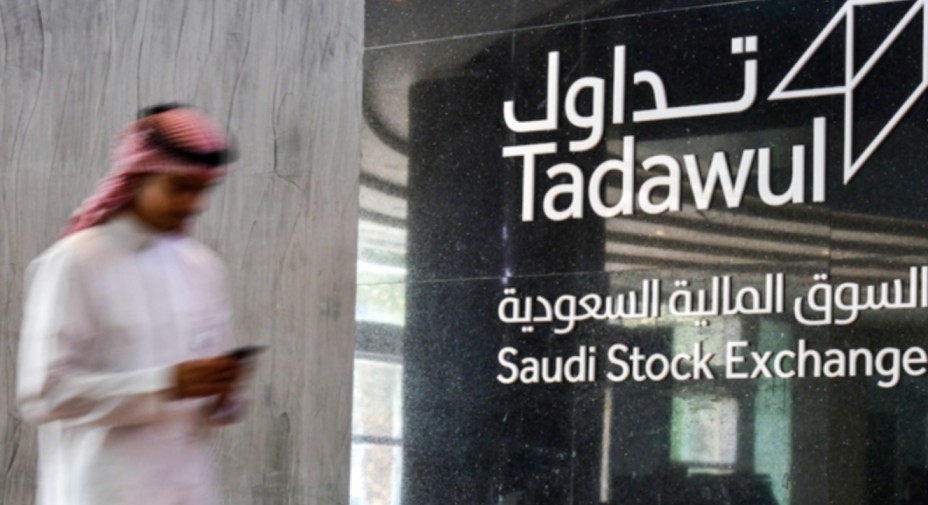
Saudi Arabia has taken a decisive step towards opening its capital market to the world. On 1 February 2026, the Kingdom introduced a force-amended rule that allows all foreign investors to buy Saudi securities directly. The move abolishes the long-standing Qualified Foreign Investor (QFI) regime and ends the use of swap structures that once acted as a workaround for outsiders.
This reshapes how North African capital can flow into the region’s largest economy.
What has changed?
Before the start of February, access to the Saudi Exchange, known as Tadawul, was tightly controlled. Foreign investors had to qualify as QFIs, proving they managed at least SAR 1.875bn (about $500m) in assets. Those who did not qualify relied on synthetic exposure through swaps, with no voting rights and higher costs.
That framework has now been taken to bits. Under the new rules, any foreign individual or company can invest directly, provided they pass standard anti-money laundering checks with a Saudi broker. Investors receive legal ownership of shares and full voting rights, in line with international norms.
The Saudi Capital Market Authority says the change is part of Vision 2030, designed to deepen the private sector and reduce reliance on oil revenues.
Why this matters to Morocco?
For Moroccan institutions such as Attijariwafa Bank or CDG Capital, the Saudi opening removes a structural barrier. They can now trade directly in Riyadh without the administrative burden of QFI certification.
The attraction is scale. Tadawul’s market capitalisation exceeds 9.6 trillion riyals. That depth of liquidity is far greater than Casablanca’s exchange, allowing large positions to be built or unwound with less price disruption.
Saudi blue chips such as Aramco or Al Rajhi Bank often trade in a single day volumes that dwarf monthly turnover on some North African markets.
A broader investment universe
The reforms also expand where foreigners can invest. Access now covers the main market, the parallel Nomu market, debt investment and derivatives.
Nomu is of particular interest to Moroccan venture capital and private equity firms. It hosts fast-growing small and medium-sized companies with lighter listing rules, offering exposure to Saudi startups and service firms tied to the Kingdom’s rapid economic expansion.
Saudi Arabia offers diversification that Morocco lacks. Energy and petrochemicals dominate Tadawul, anchored by Aramco and SABIC. Aramco’s dividend yield stood at about 5.3 percent in late 2025, paid in a currency pegged to the US dollar.
Logistics and infrastructure firms, such as Saudi Logistics Services, have delivered strong cash returns, reflecting heavy investment in ports, airports and supply chains.
Banking provides another contrast. Saudi banks operate in a dollar-linked interest rate environment, unlike Morocco’s dirham, which is managed against a euro-dollar basket.
For portfolio managers, even a modest allocation to Saudi equities reduce overall risk, as returns in Riyadh and Casablanca are driven by different economic forces.
Tax rules ease the path
Fiscal treatment is a critical part of the appeal. Saudi Arabia and Morocco are linked by a double taxation agreement. Under it, Saudi withholding tax on dividends paid to Moroccan residents is capped at 5 percent for corporate shareholders owning at least 10 percent of a company, and 10 percent in other cases.
Crucially, Saudi law exempts non-residents from capital gains tax on shares traded on Tadawul. Gains on listed securities are tax free in Saudi Arabia, unlike unlisted shares, which face a 20 percent rate.
For Moroccan investors, dividend tax withheld in Saudi Arabia can usually be credited against tax due at home, subject to Moroccan rules and reporting to the Office des Changes and the tax authority.
How Moroccan investors can enter
Opening an account has become faster and more digital. A Moroccan firm must appoint a Saudi-licensed broker and custodian, provide corporate documents, board authorisations and register for Saudi Many brokers now use electronic verification, allowing accounts to be activated in under 48 hours.
Some investors will prefer to route investments through Moroccan intermediaries. Firms such as Wafa Bourse or Upline Securities already connect clients to Gulf markets and help ensure compliance with Moroccan exchange regulations.
For individuals, including Moroccans living abroad, the change is dramatic. Retail investors can now buy Saudi shares directly through mobile trading apps, without complex offshore structures.
Strategic stakes and long-term plays
The reforms also preserve a separate category for Foreign Strategic Investors. This route suits companies seeking long-term influence rather than short-term returns.
Strategic investors commit to holding shares for at least two years and may gain board representation. In some cases, they can exceed the standard 49 percent foreign ownership ceiling, subject to approval.
For Moroccan groups in sectors such as mining, hospitality or pharmaceuticals, this offers a way into Saudi mega-projects such as NEOM or the Red Sea developments.
Risks remain
Open access does not remove all constraints. Foreign ownership in most listed companies is still capped collectively at 49 percent.
Currency risk also matters. The Saudi riyal is pegged to the dollar, while the Moroccan dirham is not. Shifts in the dollar or euro will affect returns when converted back into dirhams.