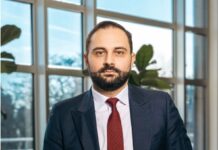
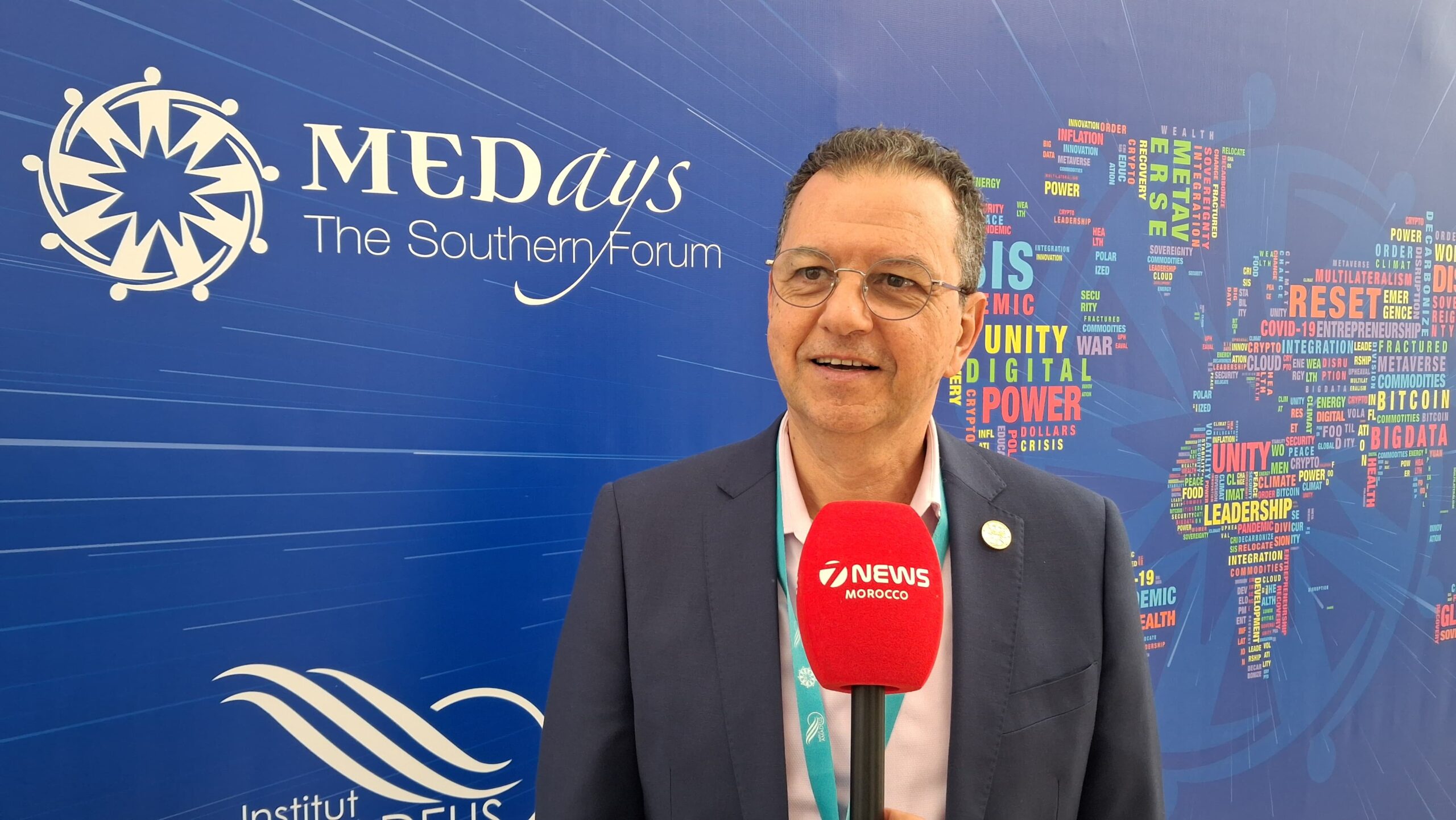
“Smart” hospitals should give doctors better tools rather than replace them with machines, according to the head of Moroccan private healthcare group ODM. Mohamed Elmandjra, chairman and chief executive of Oncologie et Diagnostic du Maroc, said a smart hospital “is, first of all, a hospital”. “It’s the human and humane interaction with the patient,” he said on the sidelines of the MEDays forum in Tangier.
The aim, he said, was to make “the patient journey and the doctor’s journey easier, more efficient”.
Mr Elmandjra said technology should be judged by whether it helps hospital staff do their work.
A smart hospital, he said, “gives the tools to humans to make their job easier” rather than replacing “part or all of their jobs”.
His comments come as artificial intelligence spreads into Moroccan healthcare. Local firm Mediot AI has signed a deal with Siemens Healthineers to develop AI-powered imaging and diagnostics, while UM6P’s new university hospital in Benguerir gives every patient a unified digital record.
Mr Elmandjra drew a distinction between “the hospital of the future” and “the future of the hospital”.
The first, he said, is what people imagine as “science fiction-y” – flagship centres packed with the latest technology. He said such centres of excellence were important as prototypes that show what is possible.
But the real priority, he argued, should be reach and cost.
“The hospital is there to serve the people,” he said. The future of hospitals lay in “serving as many patients as possible and as affordably as possible”.
ODM is one of Morocco’s main private cancer care and diagnostics groups, with centres in cities including Casablanca, Rabat, Marrakech, Fez and Oujda.
In 2023, it raised MAD 230m ($23m) from the Investment Fund for Developing Countries (IFU), a Danish state-backed investor, to fund its expansion.
Mr Elmandjra, who holds a doctorate from the University of Pennsylvania, previously worked in medical technology in Silicon Valley and ran the telecoms operator Meditel.
The group is part of a fast-growing private health sector. Rival hospital operator Akdital floated on the Casablanca Stock Exchange in 2022, and cancer specialist Oncorad raised MAD 458m ($46m).
Demand has been boosted by Morocco’s move to extend compulsory health insurance to the whole population, launched in 2021.
But access remains uneven, with specialist care concentrated in big cities – the gap Mr Elmandjra says hospitals must focus on closing.
He was speaking after a MEDays panel titled “Strategic Health: Produce or Depend?”, which looked at how Africa can cut its reliance on imported medicines and build its own health capacity.