

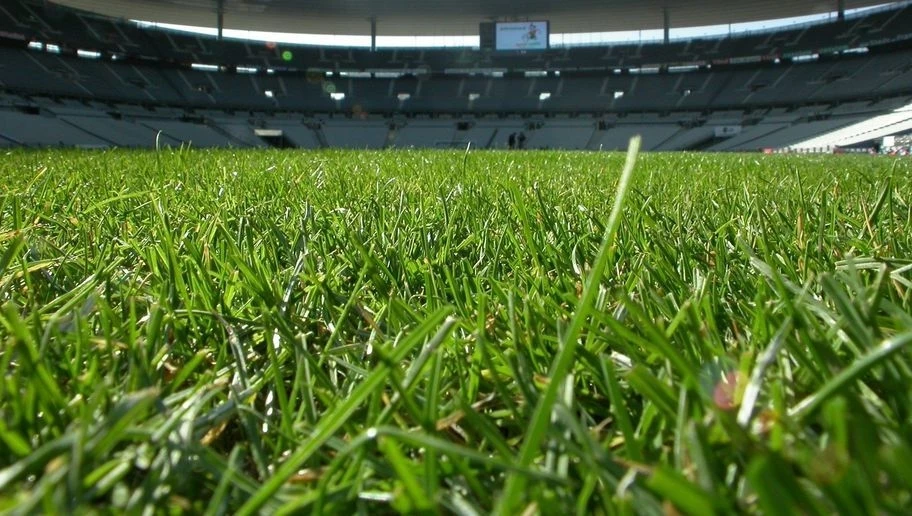
On Wednesday evening, the pitch at Rabat’s Moulay Abdellah Stadium delivered a flawless performance during the opening ceremony of the Africa Cup of Nations and the Morocco–Comoros match. Despite harsh weather conditions, the playing surface remained in perfect condition from start to finish—a remarkable feat under the circumstances.
For hours, relentless rain pounded the capital, yet the field showed no signs of waterlogging or deterioration. There were no puddles, no visible slowing of the ball, no interruptions in play. The pitch absorbed the downpour seamlessly, maintaining its softness, consistency, and stability throughout the match. This level of quality didn’t go unnoticed by coaches, officials, or spectators.
While many feared the heavy rain would compromise the match, the opposite proved true. The young Atlas Lions and their Comorian counterparts played on a surface that stayed firm and responsive, allowing for an uninterrupted rhythm of play. The pitch stood its ground against the storm with impressive resilience.
Behind this success lies undeniable technical expertise. From the composition of the soil to the precision of the drainage system and meticulous daily upkeep, every element reflects a professional standard. Once criticized, this pitch has now set a new benchmark. It symbolizes the shift in Morocco’s approach to football infrastructure—a commitment to excellence, not just in the spotlight, but behind the scenes.
At a time when Morocco is under international scrutiny as it hosts multiple major sporting events, the performance of the stadium’s groundskeeping team deserves recognition. Because this isn’t just about a well-kept lawn—it’s about creating a high-quality stage for the game itself. It’s the result of tireless, often unseen work that turns a field into a foundation for world-class football.