

A decision to give the 2025 Africa Cup of Nations title to Morocco is under review, with doubts over whether it will stand.
On 17 March, the Confederation of African Football Appeals Committee ruled that Senegal had lost the final due to misconduct, reversing an earlier decision that had named Senegal as champions.
The case is now likely to be decided by the Court of Arbitration for Sport, which could either uphold or overturn the ruling.
The controversy centres on events late in the match. In the 98th minute, referee Jean-Jacques Ndala awarded Morocco a penalty after a VAR review showed El Hadji Malick Diouf fouling Brahim Díaz.
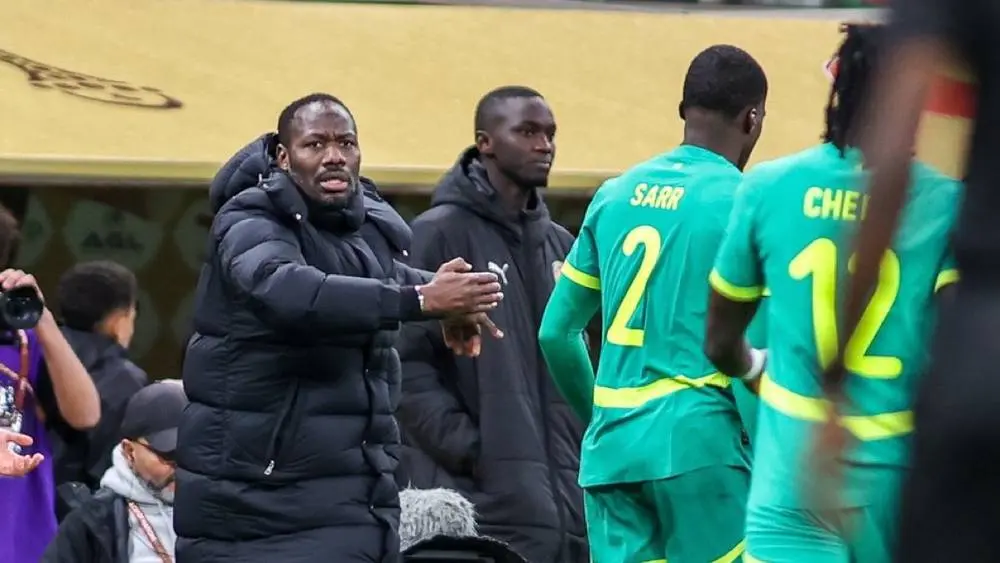
The decision came shortly after Senegal had a goal disallowed. Senegal players then left the pitch in protest and went to the dressing room. The stoppage lasted about 14 minutes before they returned.
Díaz missed the penalty, and Senegal later scored in extra time to win 1-0 on the pitch.
CAF based its decision on its competition rules. Under Article 82, a team that leaves the field without permission is considered to have refused to play. Article 84 says that such a team automatically loses 3-0, regardless of the score.
The Appeals Committee ruled that Senegal’s actions counted as a withdrawal, triggering these rules.
Several events were cited as part of the case. Senegal players left the field during play, and one player, Ibrahim Mbaye, went live on social media from the dressing room.
There were also claims of outside interference. Coach Claude Le Roy entered the pitch without permission and spoke to Sadio Mané. CAF official Olivier Safari Kabene said there had been communication with the referee, who was told not to issue yellow cards.
Crowd trouble added to the disruption, with fans protesting the penalty decision as Díaz prepared to take the kick.
Video evidence, including comments from coach Pape Thiao, suggests the team left the pitch on purpose.
CAF’s ruling also addressed other incidents during the final. Moroccan ball boys were found to have interfered with play, leading to a $50,000 fine. Moroccan officials were fined $100,000 for crowding the VAR area.
Player Ismael Saibari received a two-match suspension for misconduct, while the use of lasers by fans led to a further $10,000 fine.
The key issue now is whether the case falls under normal referee decisions or rule violations.
CAS usually follows the “field of play” principle, meaning referee decisions during a match are final. However, there is an exception if the referee failed to apply the rules correctly.
Morocco’s argument is that once Senegal left the pitch, the referee should have ended the match and applied the automatic forfeit.
Senegal is expected to argue that the walk-off was brief, the match was completed, and the referee allowed play to continue, meaning the final result should stand.
A similar case happened in 2019, when Wydad Casablanca left the pitch against Espérance de Tunis in a CAF Champions League final. CAS later ruled that Wydad had abandoned the match, and the title was awarded to Espérance.
That precedent could support CAF’s current decision.
CAS now has several options. It could confirm Morocco as champions, restore Senegal’s on-field win, or apply a lighter punishment while keeping the result.