
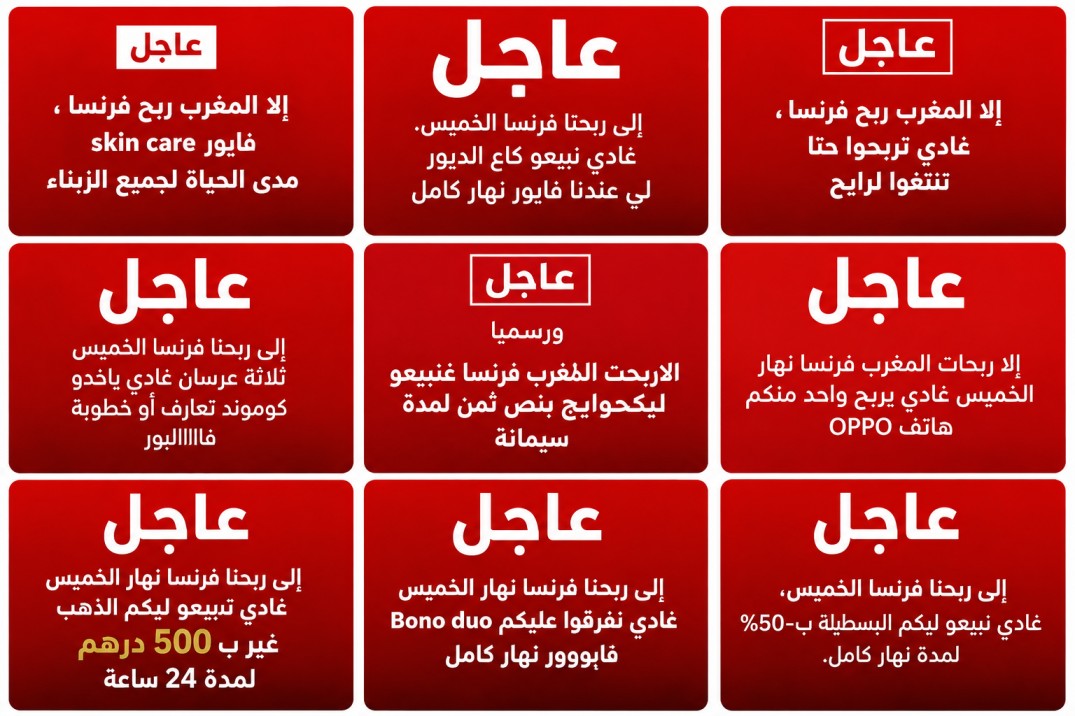
Businesses in Morocco have been warned to think carefully before promising discounts or free gifts if Morocco beat France in the 2026 FIFA World Cup quarterfinals. Legal experts say these offers could become legally binding if the condition is met. Companies that fail to deliver what they promised could face fines of up to one million Moroccan dirhams.
Hours before the match, social media was filled with promotions from businesses offering discounts, free products and special services if Morocco won. The campaigns were designed to make the most of the excitement surrounding the game.
Legal adviser Amine El Fathi said these offers are more than just marketing if they are clear and specific. “These promises are not just advertising campaigns. Instead, they can be viewed as legal obligations if they are clear, specific, and reliable for the consumer.”
He added: “Announcing a discount, gift, or free service conditioned on the Moroccan team’s victory binds the business owner to execute it as soon as that condition is fulfilled.”
He said businesses that fail to honour these offers could be breaking Morocco’s consumer protection law, Law No. 31.08, which bans advertising that misleads customers about an offer or the advertiser’s obligations.
Article 174 of the law sets fines of between 50,000 and 250,000 dirhams for misleading advertising. The maximum penalty rises to one million dirhams if the offender is a company or another legal entity.
Experts say these campaigns are an example of “real-time marketing”, where businesses use major events to attract attention and increase engagement online. But they say the strategy only works if companies are able to keep the promises they make.
This type of marketing is common around major sporting events. Some large companies take out insurance to cover the cost if a promotion is triggered. Smaller businesses, however, may not have the financial resources to do the same.
Similar campaigns have gone wrong before. In 1992, the UK branch of Hoover offered free flights to customers who bought certain appliances. The company received far more claims than expected, losing more than £48 million and facing legal action.
Consumer law experts say these promotions can help brands attract customers, but they also carry legal and financial risks if businesses fail to deliver what they promised.