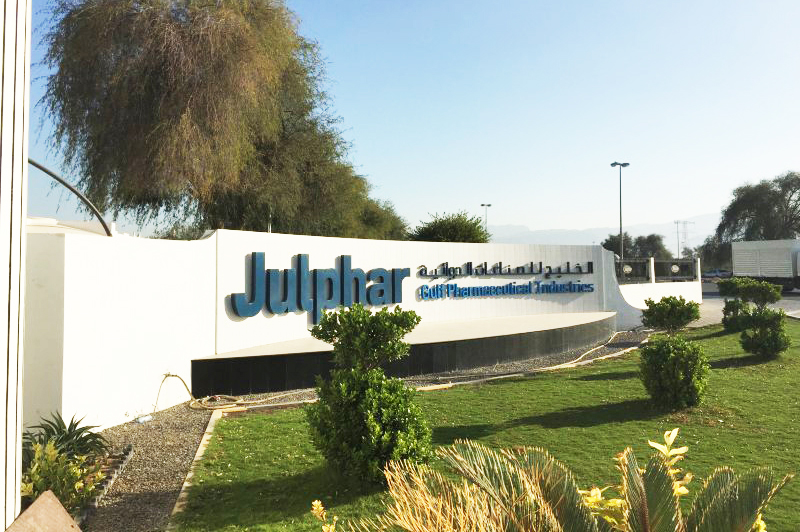
Morocco is becoming an increasingly important market for Julphar, one of the region’s biggest drug makers, as the company reports stronger profits at the start of 2026.
The UAE-based pharmaceutical group made a net profit of 35 million dirhams in the first three months of the year, with sales reaching around 273.4 million dirhams.
Julphar said Morocco is now among its best-performing markets, alongside the UAE, Saudi Arabia and Iraq, and is helping support its overall business recovery.
The company sees Morocco as a high-potential market, helped by ongoing healthcare reforms and the expansion of universal health coverage. It believes this is creating steady demand for medicines and long-term growth opportunities.
Rather than operating from a distance, Julphar runs a local setup in Morocco. It has dedicated teams on the ground, led by a country manager, working with pharmacies, handling regulations and supporting medical representatives. It is also hiring local staff, especially in digital tools, data analysis and supply chain roles.
Julphar sells more than 250 medicines in Morocco across a wide range of treatments. Its best-known product is MEBO, a widely used cream for burns and wound care. Other common medicines include Adol for pain relief, Profinal for inflammation, and treatments for skin conditions, infections, cholesterol, blood pressure and stomach problems.
The company also supplies drugs used in long-term care, including heart and metabolism medicines and antibiotics. It plans to expand further in Morocco with more advanced treatments such as immunology drugs, nervous system medicines and biotech products.
Julphar continues to invest in its wider business, including a new production site in Saudi Arabia, along with more research and partnerships to grow its product range.
Capital spending reached about 8.2 million dirhams by the end of March 2026.