
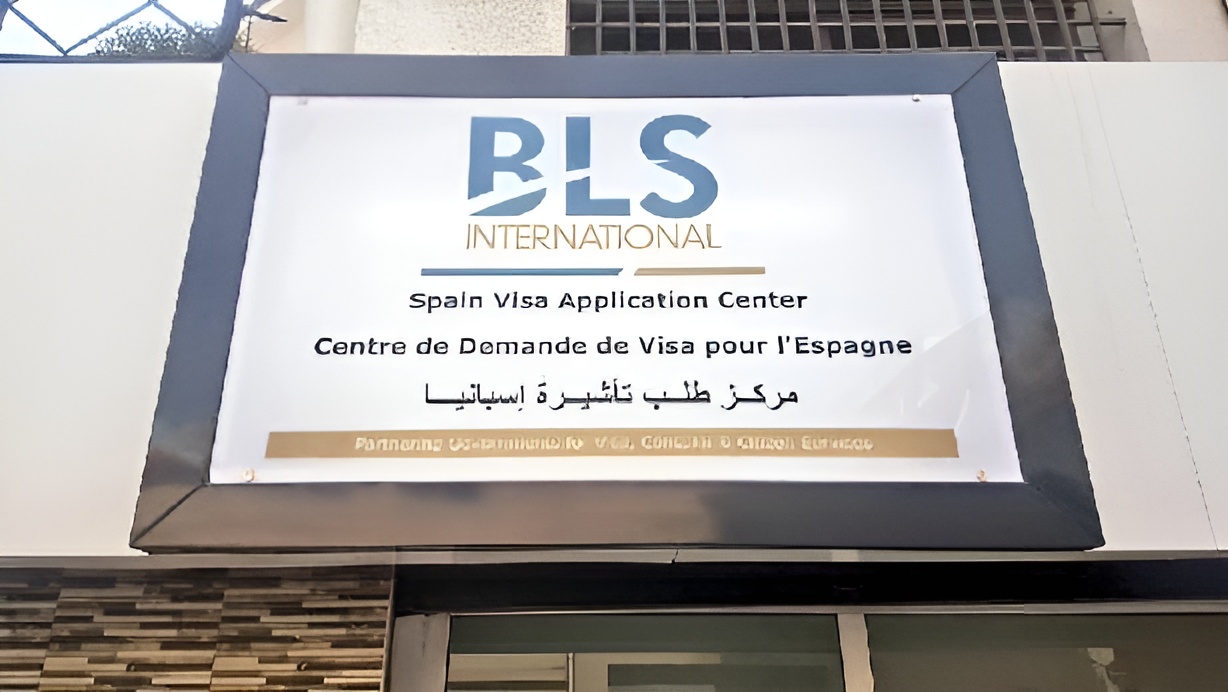
Visa applicants are being warned against scammers who promise guaranteed appointments, faster visa approvals and access to embassies in exchange for money, often through fake websites and social media accounts. BLS International, which handles visa and consular services for governments, has published a 13-page fraud prevention guide to help applicants spot scams, protect their personal information and avoid losing money. The guide is part of its global #CitizenAwareness campaign.
The warning comes as demand for visa appointments leaves many applicants struggling to find available slots, creating an opportunity for fraudsters to sell fake appointments or pretend they can influence visa decisions.
The guide identifies five common types of scams: fake websites, unauthorised agents, fraudulent appointment-booking services, fake customer support accounts and phishing messages sent by email, SMS or WhatsApp.
Scammers often copy the logos and design of legitimate visa service providers to make their websites look genuine. They may offer guaranteed appointments, ask for advance payments or send links to collect passport details, banking information and login credentials.
One example in the guide shows a scammer offering a guaranteed visa appointment through a fake account with a slightly altered company logo. Another features a caller posing as a BLS representative who asks for payment upfront and sends a link to confirm a booking. The guide also warns against sponsored social media posts advertising limited appointment slots in exchange for immediate payment.
How applicants can avoid scams
BLS International says visa appointments are free to book through its official website, www.blsinternational.com, on a first-come, first-served basis, although some countries require applicants to pay authorised service fees in advance.
Embassies, consulates and governments control appointment availability and when slots are released. BLS International says it cannot influence visa decisions, which are made solely by the relevant embassy or consulate. Paying for optional services does not improve the chances of approval or speed up the process.
The company says it does not work with third-party agents and does not offer immigration services or job placements. Anyone selling jobs, immigration packages or special access to appointments using the BLS name is likely to be running a scam.
Payments should only be made through the official website during booking or directly at an authorised BLS visa application centre. Staff do not ask for advance payments by phone, email or SMS, send payment links, offer appointments through social media or request personal information through these channels.
The guide lists eight warning signs applicants should look out for:
- Promises of a guaranteed visa.
- Claims of faster approval.
- Requests to pay into personal bank accounts, through a Unified Payments Interface (UPI) ID or unofficial links.
- Requests for one-time passwords (OTPs), passwords or banking details.
- Contact through unofficial WhatsApp numbers or social media accounts.
- Pressure to make an immediate payment.
- Suspicious links.
- Claims of special access to embassy officials, visa decisions or appointment calendars.
Applicants are advised to stop and verify any offer that feels rushed, unexpected or too good to be true.
Protecting personal information at every stage
The guide also offers practical steps applicants can take before, during and after submitting a visa application.
Before applying, travellers should start through the official BLS website, check the web address and company logo before entering personal details, and read payment instructions carefully.
During the process, applicants should use authorised payment channels, keep passwords and OTPs private, protect their banking details, and keep their passports and application documents in their own possession rather than handing them to intermediaries.
After applying, they should track their applications through official channels and ignore unsolicited messages promising faster approvals.
The handbook also advises applicants to use strong passwords, avoid public Wi-Fi when making visa-related transactions, avoid downloading unknown attachments and check payment gateways before entering card details.
Anyone who encounters suspicious activity can report it to [email protected], using #CitizenAwareness in the subject line. BLS International asks applicants to include evidence such as screenshots, phone numbers, suspicious links and payment records.