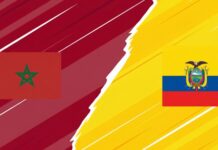


In a tense and often turbulent Africa Cup of Nations, Morocco may have lost the final, but they walked away with something far more valuable: respect. As Senegal claimed the title in controversial fashion, the Atlas Lions stood firm, choosing the path of dignity, discipline, and pure football in a tournament defined as much by off-field drama as by on-field brilliance.
It was during the semifinals that the most unsettling scene unfolded. Senegal, in a shocking move, walked off the pitch mid-match in protest of a refereeing decision—an act that disrupted the spirit of competition and stunned players, fans, and commentators alike. While the moment sparked criticism for its lack of sportsmanship, Morocco refused to engage in the controversy. Their response wasn’t outrage, but rather quiet professionalism, as they stayed focused and carried on with the game.
Then came the final, and Morocco showcased a brand of football rarely seen in African competition: fluid, technical, and thoroughly team-oriented. Their game contrasted sharply with the typically physical style often associated with the continent’s football. It was a bold, confident statement—one that prioritized strategy and skill over brute force.
The match ended in heartbreak for Morocco, sealed by a missed penalty from Brahim Diaz. Whether intentional or not remains unclear, but what’s undeniable is that Morocco stayed composed to the end. No angry outbursts, no blame games—just football, played with grace. In defeat, they sent a powerful message: sometimes, losing with honor can be its own kind of victory.
As disputes flared elsewhere—over refereeing, tournament logistics, and uneven criticisms from within the African football community—Morocco took a different route. They played with consistency, character, and control. While critics at home took aim at everything from match scheduling to officiating, international observers were nearly unanimous in their praise. For many, this was one of the most well-run CAN tournaments in recent memory, and Morocco was at the heart of that success.
Meanwhile, Senegal’s win came under a cloud. On paper, they lifted the trophy, but the controversy surrounding their walk-off has lingered. Critics argue that the victory lacks substance, overshadowed by a decision that many still struggle to defend. The Confederation of African Football (CAF) has launched an investigation into the events that led to the match’s interruption. If found in violation of the rules, Senegal could even face sanctions, including a potential forfeiture of the match. While no outcome has been announced yet, the case remains open.
Ironically, while Morocco received global applause, some of the sharpest critiques came from within Africa itself. Accusations about logistics and scheduling—often unfounded-stood in stark contrast to the global recognition Morocco received for hosting a tournament that was both structurally sound and competitively rich. In the end, perhaps criticism is simply the price of doing things too well.
Though the trophy slipped through their fingers, Morocco leaves this CAN not as losers, but as leaders. In the face of chaos, they played with integrity. While others lost their composure, the Atlas Lions kept their focus. At a time when African football is striving to evolve, Morocco offered a compelling vision of what that future could look like—one where success is measured not just by goals scored, but by how the game is played.