
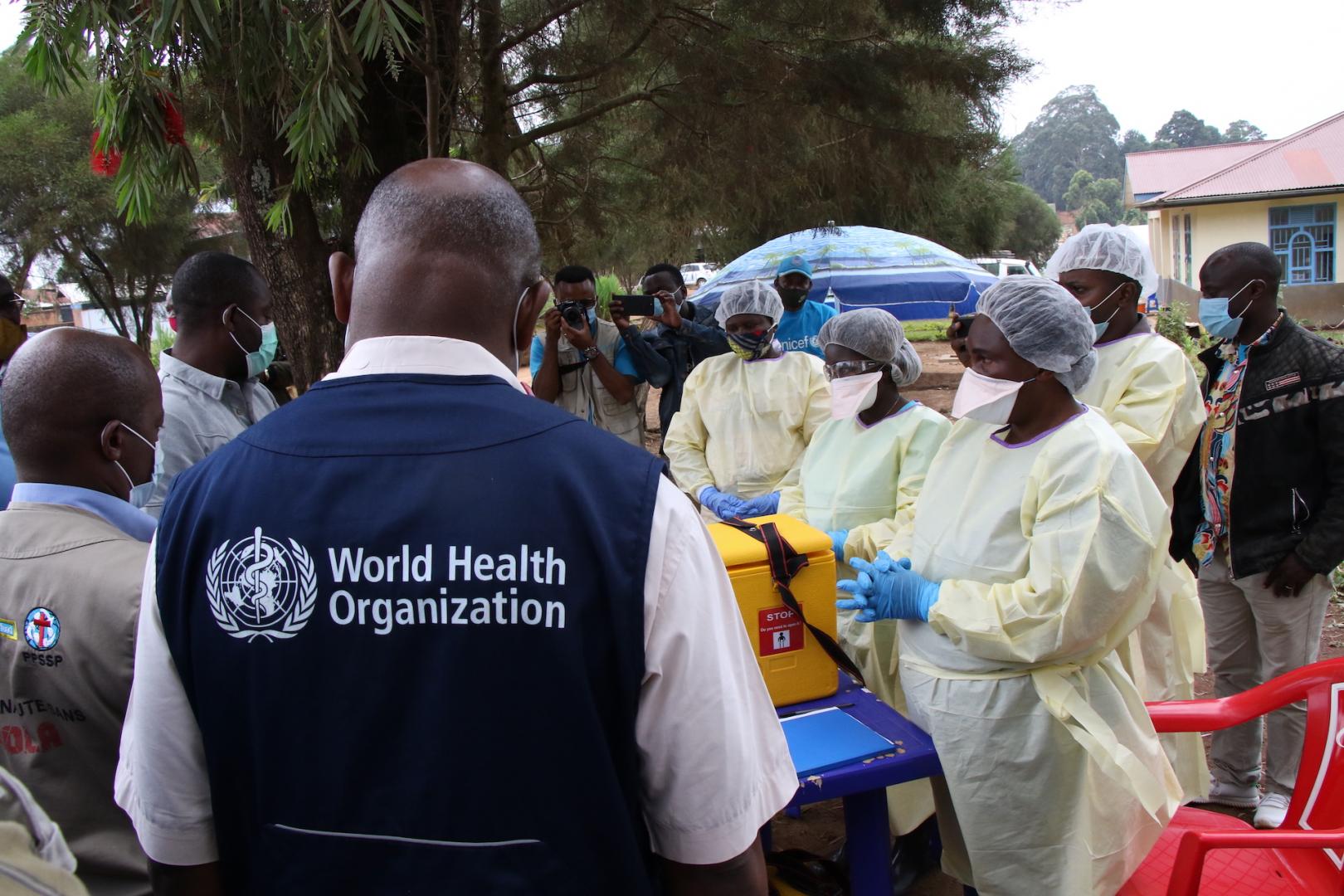
Health officials are warning people to stay alert after a new Ebola outbreak began spreading in Central Africa. The World Health Organization (WHO) has declared the outbreak a “public health emergency of international concern”, its highest global alert level.
The virus involved is the Bundibugyo strain and cases have been found in the Democratic Republic of the Congo and Uganda. The agency said the situation “does not meet the criteria of a pandemic emergency” but still called it “extraordinary” because it could spread across the region and many details remain unclear.
By 16 May, eight confirmed cases, 246 suspected infections and 80 suspected deaths had been reported in Ituri Province, especially in Bunia, Rwampara and Mongbwalu.
The outbreak has already crossed borders. Two travellers from the DRC tested positive in Kampala, where one has died and both were treated in intensive care. Another case was confirmed in Kinshasa after travel from Ituri.
The WHO warned the real numbers may be much higher, pointing to “significant uncertainties regarding the real number of infected people and the geographic extent of the event”. It said growing reports of suspected cases and deaths suggest the outbreak could be bigger than currently known.
Healthcare workers have also been affected. “At least four deaths among health workers” with symptoms of viral haemorrhagic fever have been reported. The WHO says this raises concerns about infection control in hospitals.
The agency also stressed there is no specific medical solution yet. “There is currently no approved specific treatment or licensed vaccine against the Bundibugyo virus.”
It said insecurity in eastern Congo, large population movements, urban spread and informal health services are making the situation harder to control.
The WHO is urging stronger testing, contact tracing, hospital safety and public information campaigns. It also wants tighter health checks at borders, airports and major roads.
However, it warned against closing borders or stopping trade. Such measures “are generally implemented out of fear and have no scientific basis” and could “increase the chances of disease spread”.
An international emergency committee will meet soon to decide if more action is needed.