
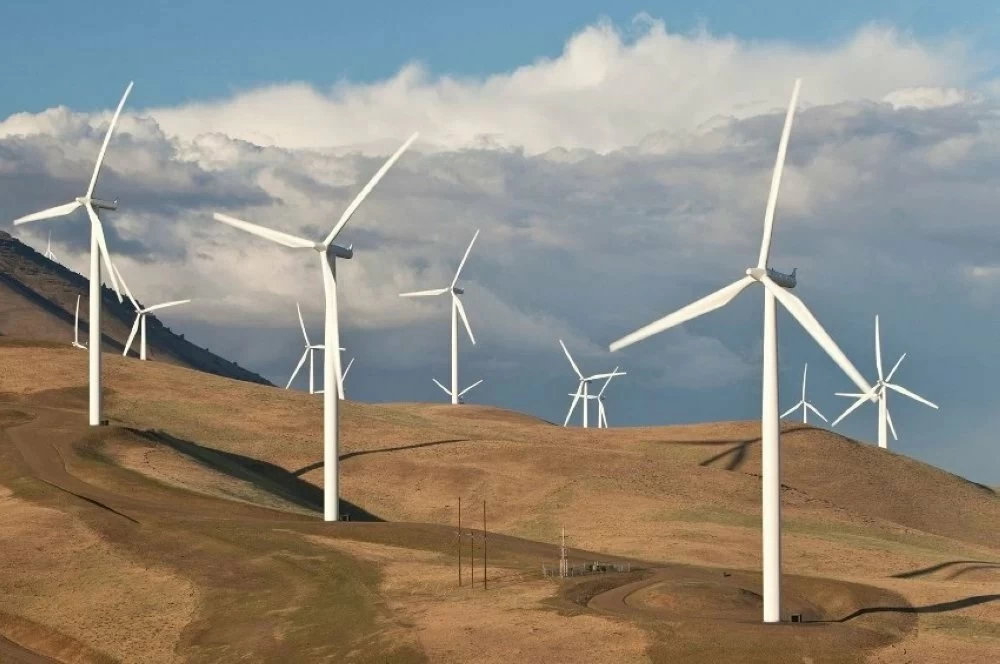
Morocco is turning more and more to wind power, and fast. The country wants to get over half of its electricity from renewable energy by 2030, and it is now in serious talks with Emirati companies to help make that happen.
According to energy platform Attaqa, Morocco is discussing new wind energy projects with firms including Masdar, AMEA Power and TAQA. These projects would be mainly in Morocco’s southern regions, with a total value of around 8 to 10 billion dollars and could produce up to 5,000 megawatts of electricity.
In real terms, it is enough power for around 5 million Moroccan homes. One single site, the Tarfaya wind farm, can already supply a city the size of Marrakech with electricity every day.
For people living near these projects in the south, the benefits are long-term promises. More stable supply and stronger transmission links are meant to reduce power cuts and sudden drops in voltage, acting almost like a backup system for the local grid.
The south of Morocco is key because it has strong and steady winds, reaching around 8.4 metres per second, ideal for turbines. There are already four major wind farms there, including Tarfaya, Aftissat, Laayoune and Akhfenir, producing about 750 megawatts in total. Two more sites in Boujdour and Tiskrad are under construction and will add another 400 megawatts.
Wind energy is also becoming cheaper than traditional fuels, roughly 50% less than coal or gas. That matters in a country that has historically imported more than 90% of its energy. Existing wind projects already save about 200 million dollars a year in fuel imports, money that can be used elsewhere in public services.
The environmental side is easier to grasp in everyday terms too. Cutting 330,000 tonnes of carbon from a 100 megawatt wind farm is roughly like planting more than 5 million trees and letting them grow for ten years.
Some of these projects also help with water supply. By pairing wind farms with desalination plants, Morocco is using clean electricity to help turn seawater into drinking water at a time when droughts are becoming more common.
To move all this electricity where it is needed, Morocco is also building a 1,400-kilometre high-voltage power line from the windy south to cities like Casablanca. It’s described as an “electricity highway”, and designed to carry up to 3,000 megawatts and connect remote production areas with the country’s industrial heart.
All of this sits inside a wider 14 billion dollar investment plan with Emirati partners, covering wind farms, power networks, desalination and green hydrogen projects. It is also expected to create jobs, from construction work in the short term to longer-term technical roles as Morocco builds up its clean energy sector.