Morocco has announced a major plan to rebuild its livestock sector and help bring down rising meat and milk prices after years of severe drought.
At a seminar during the 18th International Exhibition of Agriculture in Morocco SIAM in Meknes, Agriculture Minister Ahmed El Bouari said the country needs to treat drought as a long-term problem, not a temporary one.
He said the goal is to rebuild livestock numbers and improve productivity after several dry years badly affected farmers and pushed prices up.
Focus on rebuilding herds
The government plan focuses on increasing animal feed supplies, improving animal health, and protecting female livestock so they can keep breeding in the future.
Officials say this is key to making sure meat and milk supplies recover over time, rather than just fixing short-term shortages.
The plan also includes improving slaughterhouses, transport, storage, and distribution systems to make the whole supply chain more efficient and safer.
A sector under strain
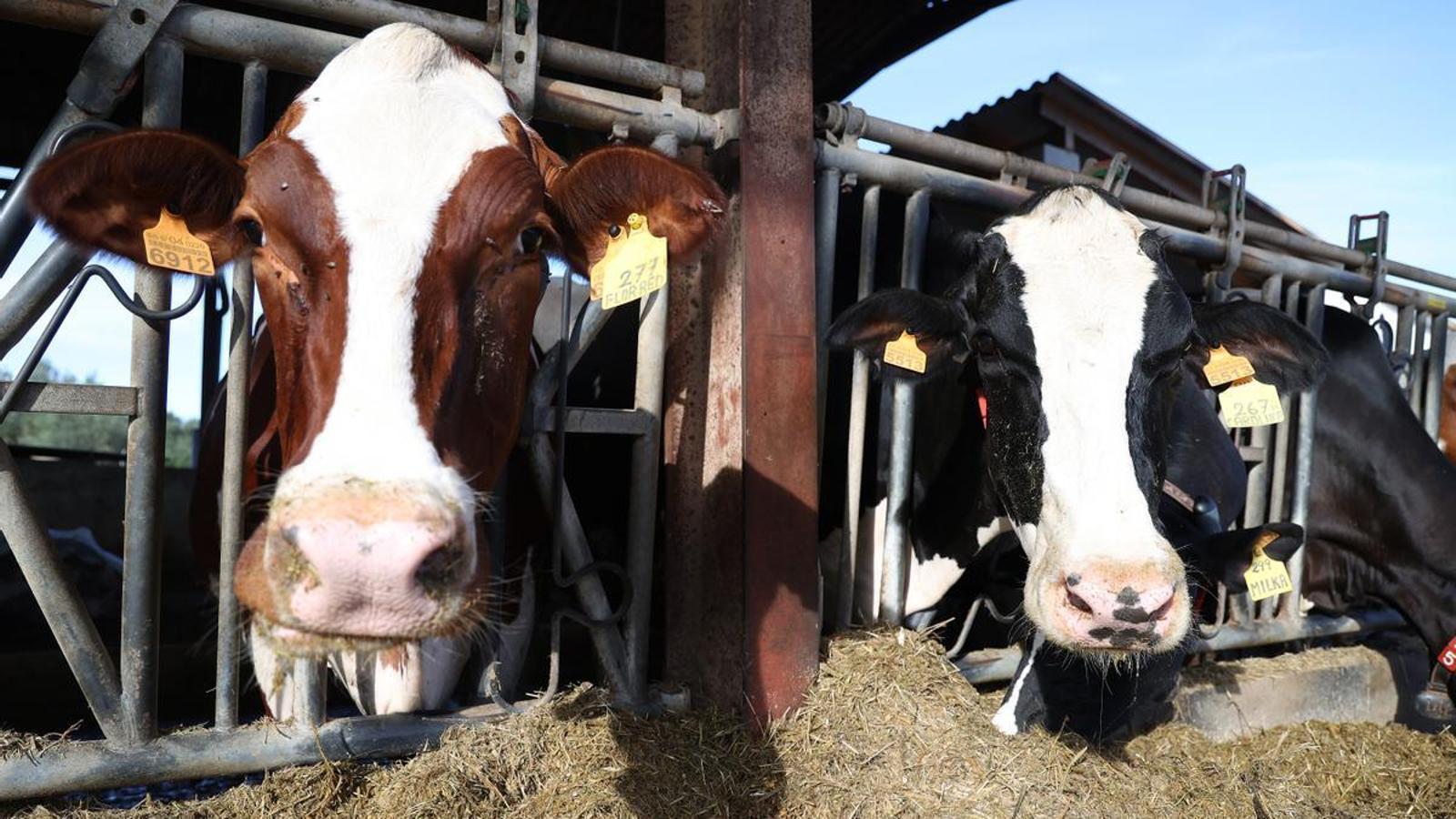
Official figures show Morocco has around 33 million sheep, goats, camels and cattle. These animals produce about 530,000 tonnes of meat and 2 billion litres of milk each year.
The poultry sector adds 784,000 tonnes of white meat and 6.5 billion eggs.
Livestock makes up about 35% of agricultural GDP and supports more than 1.2 million farmers, creating around 135 million workdays a year.
Drought has changed everything
Officials say the main problem is a long period of drought lasting about six years, the worst in four decades.
Pasture land has shrunk, so farmers are forced to buy expensive animal feed. Many small farmers have had no choice but to sell breeding animals just to survive, which reduces future production.
Water shortages have also made things worse, with competition between farming and livestock for limited supplies.
For many rural families, livestock has traditionally worked like a savings account. When times are hard, they sell an animal. But officials say this system is now under serious pressure.
Changing food habits and market pressure
Moroccans are also demanding more traceable and higher-quality food, which is pushing the government to modernise traditional markets and improve food safety standards.
Global price shocks
Feed costs are also affected by global events. Since the start of the conflict linked to the Russian invasion of Ukraine, prices for key animal feed like corn and soy have become unstable worldwide.
Morocco has sometimes reduced import taxes on livestock to increase supply, especially ahead of major holidays, but officials say this is only a short-term solution.
New ideas for farming
The government is also promoting camel farming in more regions, not just the south. Camels use less water and can survive in harsher conditions, making them a more climate-friendly option.
At the same time, Morocco is planting more drought-resistant shrubs and trees to create new grazing areas that animals can feed on even during dry seasons.
Officials are also working on improving animal genetics by mixing local breeds with higher productivity breeds from abroad. The aim is to get animals that survive heat better but still produce more milk and meat.
In short, the plan is to help farmers produce more with less water, while protecting the rural economy from the effects of long-running drought.