
Morocco’s Health Minister Amine Tehraoui says a new digital complaints platform, Chikaya Santé, received 764 complaints in its first four days. That is a sharp jump from the previous average of about 10 complaints a day.
The minister told the House of Councillors the platform is meant to improve transparency and speed up how patient complaints are handled. It runs through a national listening centre and tracks each case to make sure it is dealt with on time.
The launch is part of a wider emergency plan to ease pressure on public hospitals and improve services.
Emergency measures
The government says four priority actions are already underway.
A new triage system has been in place since October 2025 to prioritise patients based on how urgent their condition is. Officials say 531 health workers have been reassigned to help cut waiting times.
Hospitals have also seen a 26% increase in medicine supplies. The success rate for urgent supply requests has risen from 74% to 96%.
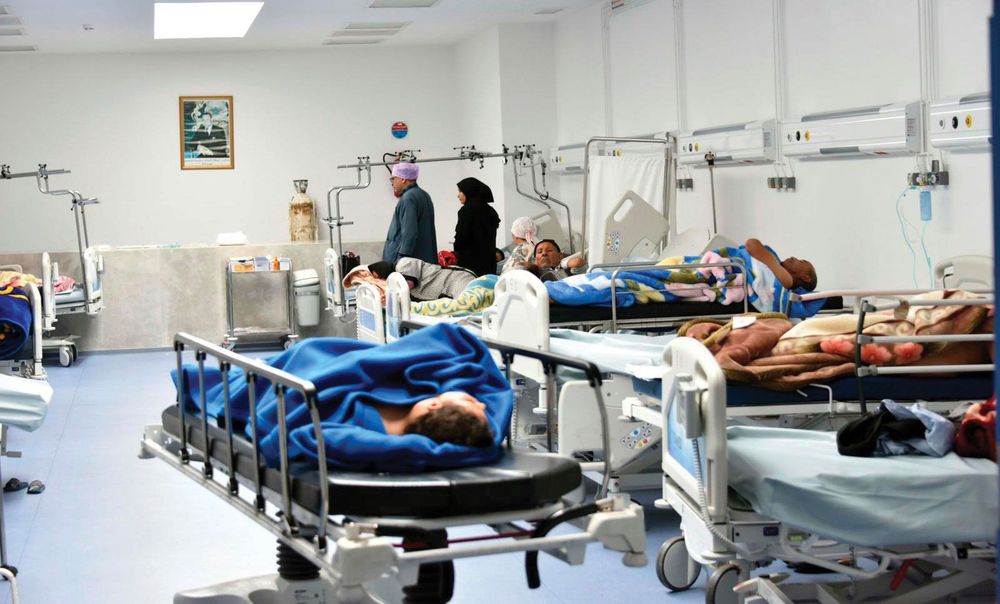
Hospital capacity is expanding. The ministry says 1,777 beds have been added and 11 new facilities opened. Three more projects were completed in early 2026, with another 2,900 beds expected by the end of September.
Patient support services are also growing. The government has deployed 70 medical-social assistants and set up 182 support units to help people navigate hospitals and access social services.
The minister also confirmed changes to the Emergency Medical Assistance Service. These include moving to a regional system, upgrading ambulance fleets and using real-time tools to track emergency calls.
Pressure from social protection reforms
The reforms come as Morocco expands its social protection system. The country has moved from the RAMED programme to AMO Tadamon compulsory health insurance, bringing millions of previously uninsured people into the system.
Officials say the increase in insured patients has put extra pressure on hospitals, making more beds and staff a priority.
Digital health and regional care
Chikaya Santé is part of a wider digital push. Morocco is working on a national digital patient record system so medical data can be shared between hospitals and clinics across the country.
The government is also creating Regional Health Groups to give regions more control over budgets and hiring, allowing them to respond faster to local needs.
The reforms follow a global trend towards stronger patient feedback and performance tracking in healthcare.
The rise in medicine supplies is linked to Morocco’s push to boost local pharmaceutical production after the Covid-19 pandemic.
However, the sector still faces staff shortages as many doctors move abroad. The government has shortened medical training from seven years to six in an effort to bring more doctors into the workforce sooner.