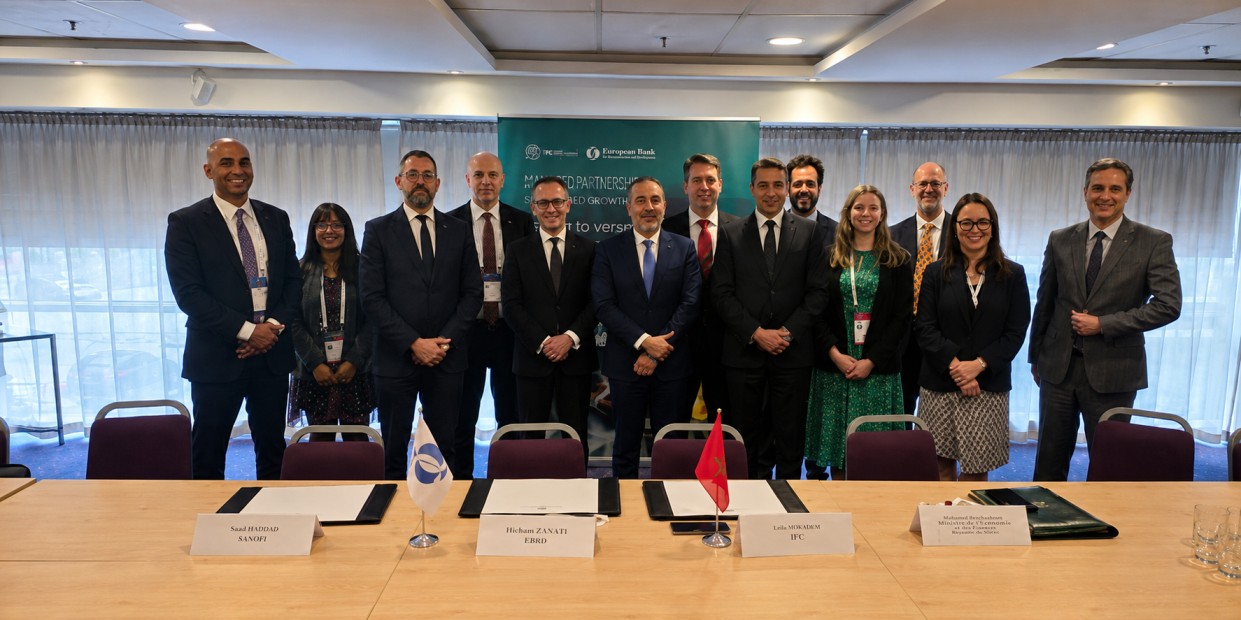
Morocco has secured €250 million ($285 million) in funding to upgrade drinking water infrastructure as the country continues to deal with growing pressure on its water resources. The financing agreement was signed between the National Office of Electricity and Drinking Water (ONEE) and the European Bank for Reconstruction and Development (EBRD) during the bank’s annual meetings in Riga, Latvia.
The money, worth around 2.8 billion dirhams, will be used to improve existing drinking water production facilities across the country. The package will be released in two phases and includes investment support, technical assistance and an additional €1.2 million grant to help ONEE develop a strategy to cut emissions from its operations.
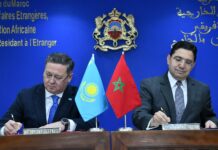
The agreement was signed by ONEE Director General Tarik Hamane, EBRD Vice President Matteo Patrone and Tamwilcom Director General Saïd Jabrani. The signing took place in the presence of Treasury and External Finance Director Mohammed Tarik Bchir.
The funding forms part of ONEE’s 2025-2030 investment plan, which focuses on making existing water infrastructure work better and more efficiently.
Projects will include reducing water losses in distribution networks, upgrading treatment plants and improving the performance of water transport systems. ONEE also plans to reduce energy consumption and increase the use of renewable energy in its operations.
The deal comes as Morocco faces a long-term water challenge. The country has endured more than six years of drought in recent years, while also experiencing periods of heavy rainfall, highlighting the growing impact of climate change on water supplies.
According to the World Resources Institute, Morocco is among the countries facing severe water stress. Fresh water availability per person has fallen to critically low levels.
To address the issue, Morocco is investing heavily in new water projects through its National Programme for Drinking Water Supply and Irrigation, which has a budget of 115 billion dirhams. The government expects seawater desalination plants to provide 63% of the country’s drinking water needs by 2030.
Officials say improving existing infrastructure remains just as important to avoid water losses and ensure reliable supplies.
The financing is fully guaranteed by Tamwilcom through a mechanism dedicated to public institutions and state-owned companies. The guarantee helps secure better lending conditions and reduces risk for the EBRD.
The agreement also builds on a long-standing partnership between the EBRD and Morocco’s water sector. Since 2014, the bank has invested nearly €119 million in drinking water projects across the country.
A previous €65 million programme aimed at improving ONEE’s water operations has now been completed. Officials say its results helped pave the way for the new funding package, which is almost four times larger.
ONEE has also set a target of increasing the share of renewable energy in its installed capacity to 56% by 2027 as part of broader efforts to decarbonise its operations.