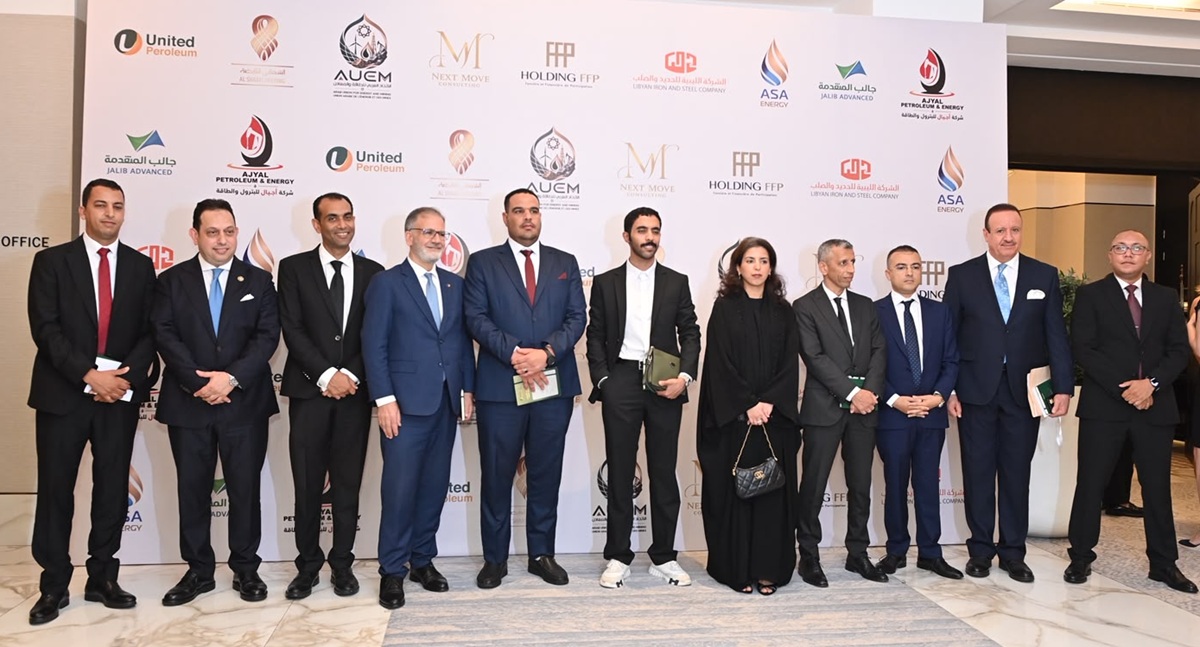
Morocco has been unanimously elected to lead the new Arab Energy and Mining Union, with Casablanca chosen as its headquarters. The Union aims to help Arab countries work more closely on energy and mining projects, attract investment, improve energy security and support the sustainable use of mineral resources.
Morocco has become one of the leading countries in the Middle East and North Africa for renewable energy. More than 40% of its installed electricity capacity now comes from renewable sources, and the country plans to increase that figure to more than 52% by 2030.
The Noor Ouarzazate Solar Complex is one of its biggest projects. Built across more than 3,000 hectares, the site has a total capacity of 580 megawatts. It combines concentrated solar power and photovoltaic technology, while molten salt storage allows it to generate electricity after sunset.
Mining is another key part of the country’s economy. Morocco holds about 70% of the world’s known phosphate reserves, making it an important supplier for global agriculture.
State-owned OCP Group is expanding beyond phosphate mining by producing phosphoric acid and customised fertilisers. The company is investing $13 billion between 2023 and 2027 to run all its industrial operations on clean energy and use green hydrogen to produce carbon-free green ammonia.
Morocco also serves as an energy link between Africa and Europe. It is the only African country connected to Europe through undersea electricity cables, with two 400-kilovolt interconnections to Spain capable of transferring a combined 1,400 megawatts of power. The country is also involved in plans to develop large gas pipeline projects linking West Africa and North Africa.