
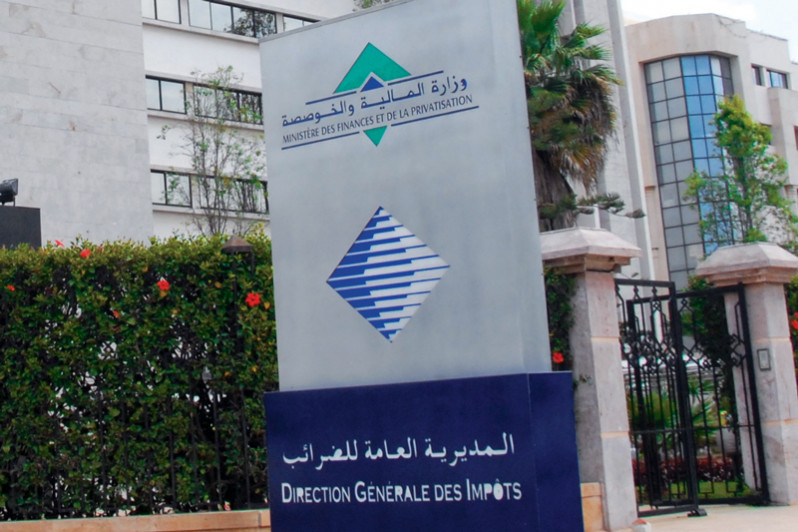
Tax inspectors have started auditing 38 Moroccan companies over claims they moved part of their profits abroad through transfer pricing to pay less tax. The inspections are being carried out jointly by the General Directorate of Taxes and the Foreign Exchange Office. The companies work in construction, public works, textiles, IT, banking and insurance.
Inspectors have asked the companies to provide extra documents and explain financial and commercial deals with related companies abroad over the past four years.
Transfer pricing is the price companies charge when they trade goods or services with subsidiaries or other businesses in the same group. Authorities are checking whether those prices matched normal market rates or were used to shift profits outside Morocco.
Inspectors are comparing prices used in deals between Moroccan companies and their foreign affiliates with market prices. They are also checking whether the money transfers had a genuine business reason.
The audit includes matching tax returns with foreign currency transfer records held by the Foreign Exchange Office. Officials are looking for unexplained transfers or profits moved abroad without proper declaration.
Companies have been asked to submit accounting records, financial statements, invoices, service agreements and documents linked to technical assistance and other cross-border transactions. Inspectors will compare them with the companies’ tax declarations.
The investigation follows information suggesting some companies manipulated prices in transactions with related businesses overseas. The practice allegedly allowed large amounts of money to leave the country while reducing the tax paid in Morocco.
Officials are reviewing transfer pricing files and contracts signed with related companies. Businesses that cannot justify their pricing with clear accounting and technical evidence could face large tax reassessments.
Companies found to have broken the rules could face penalties from three different authorities: the General Directorate of Taxes, the Foreign Exchange Office and, in some cases, Customs.
The tax authority can recalculate a company’s taxable profit and demand additional corporate tax on profits shifted abroad. It can also apply withholding tax on hidden profit distributions.
Companies that fail to provide transfer pricing documentation face a fine equal to 0.5% of the total value of the transactions, with a minimum penalty of 200,000 MAD for each financial year. Businesses that underpaid tax can also face a 15% surcharge, rising to 100% in cases involving proven fraud or deliberate profit concealment.
Late tax payments carry an immediate 5% penalty for the first month, followed by 0.5% interest for every additional month. Large multinational groups that fail to submit Country-by-Country reports can also be fined 500,000 MAD.
The Foreign Exchange Office can order companies to repay the full value of foreign currency transfers rejected by the tax authority. Companies that breach foreign exchange rules can face fines equal to or higher than the value of the funds transferred abroad. They also risk losing their convertibility status, making future international transfers more difficult.
Customs authorities could also intervene if inspectors find companies manipulated import or export invoices to shift profits. Businesses could be ordered to repay unpaid customs duties and VAT, alongside customs fines worth double or several times the amount of tax evaded or the undeclared value of the goods.
Authorities are also using information from foreign tax administrations under international agreements on tax and financial data sharing. The records allow inspectors to compare invoices issued by parent companies abroad with invoices and declarations filed in Morocco.
The General Directorate of Taxes has already introduced advance pricing agreements with companies and published a transfer pricing audit guide for inspectors. The guide explains how transfer pricing audits should be carried out and aims to improve transparency and compliance.
The tax reassessments could trigger parallel action by the Foreign Exchange Office because both authorities are conducting the inspections together. Customs authorities could also step in if inspectors uncover customs-related violations.