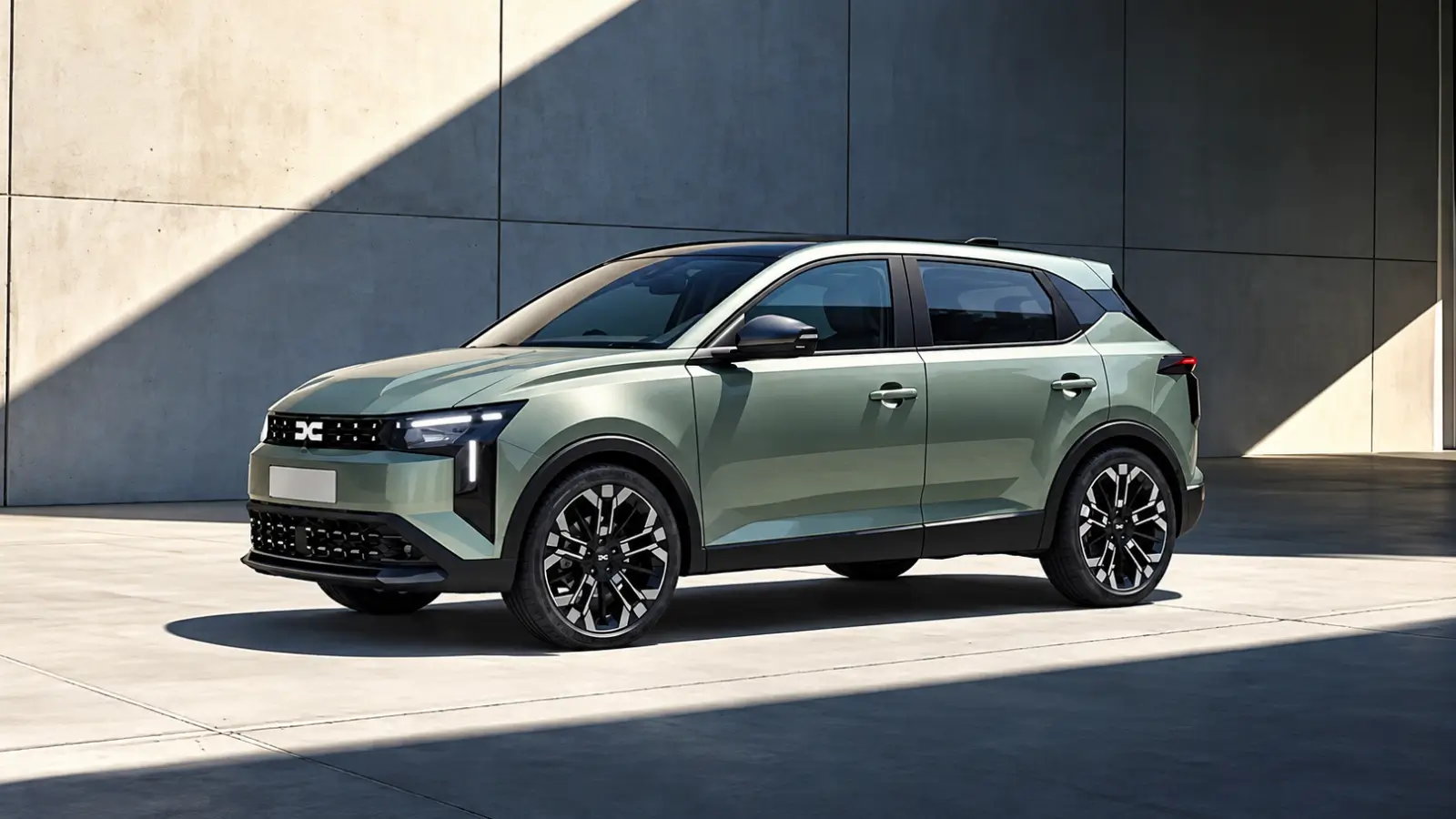
Renault is preparing its Tangier factory to build the next generation of the Dacia Sandero, with hybrid and fully electric versions expected to enter production between late 2027 and early 2028. Two senior Renault executives visited the Melloussa plant in late October 2026 to assess its readiness for the project, which is expected to strengthen Morocco’s role in the carmaker’s European supply chain.
Thierry Charvet, Renault Group’s chief industry, quality and supply chain officer, and Philippe Brunet, its chief technology officer, met engineers and production teams working on the programme.
“In Tangier, we are laying the groundwork for the industrialisation of our key future vehicle for Dacia and Renault Group,” Charvet said, according to Romanian newspaper Ziarul Financiar.
The project concerns the fourth generation of the Sandero, Romanian news outlet Profit.ro reported. The new model is expected to offer conventional, hybrid and fully electric versions.
Renault Group Maroc managing director Mohamed Bachiri announced on 24 June that preparations for the new generation were under way. He told Romanian outlet Economica.net that production was planned to begin between the end of 2027 and early 2028.
The Tangier factory already produces more than 1,000 vehicles a day across two production lines. Its operations are monitored in real time through a digital system called Plant Connect.
Moroccan engineers are working alongside production teams to develop technical solutions and prepare the factory for manufacturing. New suppliers are also joining the local supply chain.
Brunet highlighted the role of Renault Technology Morocco, whose teams work on technical development, cost control and quality before helping move a vehicle from development to mass production. During his visit, he assessed whether the teams were ready for the next stages of the project.
Renault Technology Morocco has teams based inside the Melloussa factory and at a second site in Tétouan Shore, which focuses on technology-related work. Both are expected to support the programme.
The Sandero project comes as Renault expands its manufacturing operations in Morocco. Its factories in Tangier and Casablanca produced a combined 394,000 vehicles in 2025, exceeding the estimated annual capacity of the Mioveni plant in Romania, which stands at between 300,000 and 350,000 vehicles.
The shift has raised concerns in Romania, where Dacia was established and the Mioveni factory has long played a central role in production. Romanian media reported in late October 2026 that the plant was losing ground to Renault’s Moroccan factories.
The Sandero is a key model for Dacia in Europe. It sold 113,127 units in the first half of 2026, making it the continent’s best-selling car during that period, according to the figures provided. It outsold models including the Tesla Model Y and Renault Clio.
Renault faces the challenge of producing electric and hybrid versions without losing the Sandero’s reputation for affordability. Local suppliers and engineering teams are expected to help control costs and make production more efficient.
The project also comes as Morocco’s automotive exports continue to grow. They rose by 17.4% to $10.06bn in the first half of 2026. By August, exports from the sector had reached 116bn Moroccan dirhams.
The electric Sandero has been under discussion since 2025. Renault had planned to begin rolling out hybrid Sandero production at its Moroccan factories in September 2026, ahead of the wider shift towards electrification expected in 2027 and 2028.