People in Morocco are starting 2026 feeling more positive about the economy, even though most are still being careful with their money.
New figures from the High Commission for Planning show the Household Confidence Index rose to 64.4 points in the first quarter of 2026. That is up from 57.6 points at the end of 2025, and the highest level since 2022.
The rise is linked to better farming output after rainfall improved, and ongoing government spending on big infrastructure projects. But officials say the recovery is not fully convincing for most families yet.
Even with higher confidence, people are still cautious. About 67% of households say it is still not a good time to buy big items like cars or appliances. And more than 57% expect unemployment to rise over the next year.
Economy growing, but jobs not keeping up
The wider economy is expected to grow between 4.4% and 5% in 2026, which is strong by regional standards. But job creation is still weak.
In 2024, the economy grew by 3.8%, but only 82,000 jobs were created, while more than 140,000 people entered the job market. This gap helps explain why unemployment is around 13%, much higher than the global average.
Farming recovery helps, but past losses still felt
Better rainfall has helped agriculture recover after several difficult drought years. This has improved confidence, especially in rural areas.
But the damage from earlier droughts is still clear. Nearly one million rural jobs were lost during those dry periods. Many families are now focusing on paying off debts instead of spending more.
Prices still feel high despite lower inflation
Inflation is expected to slow to around 1.3% to 1.6% this year. But many households say they still feel pressure on daily costs.
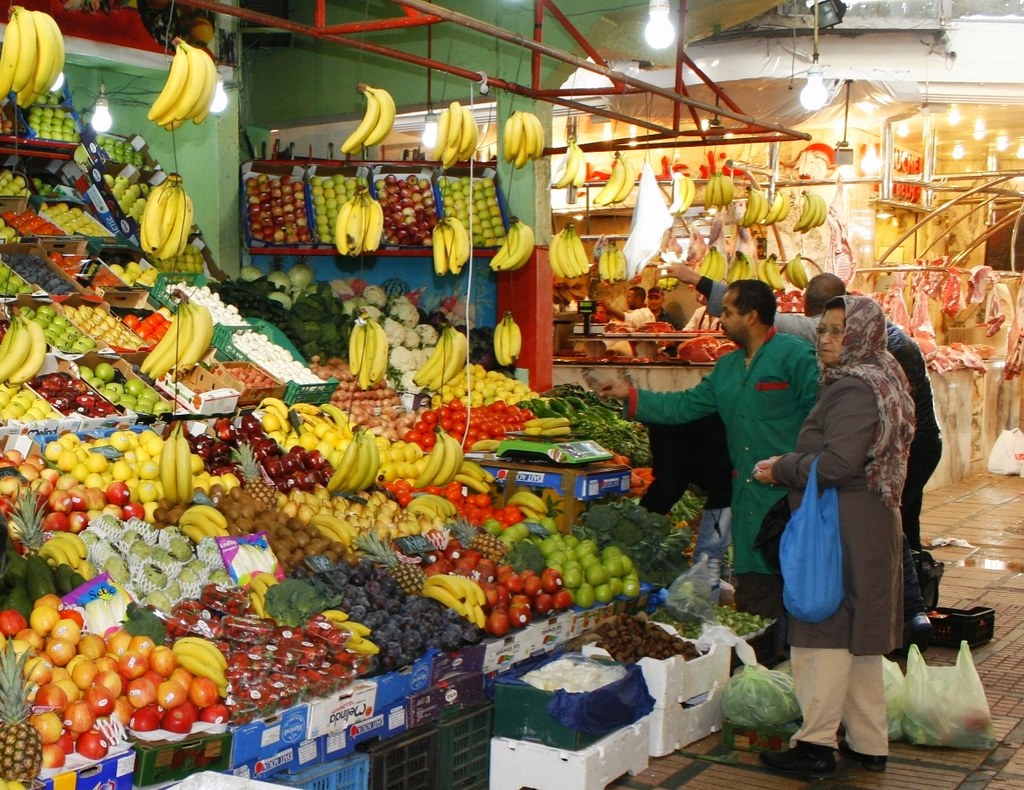
Over 90% of families say food prices went up sharply over the past year. So even if official inflation is low, many people do not feel it in their shopping bills.
Big investment plans ahead
The government has set aside around $40 billion in public spending for 2026, as part of a wider $230 billion plan leading to 2030. This includes rail projects and stadium construction linked to the World Cup.
The question now is whether these projects will create lasting jobs, or mainly temporary construction work.
Shift to industry, but skills gap remains
Morocco is also moving towards higher-value industries like cars and aircraft parts. This has boosted exports, but it also needs more skilled workers.
At the same time, about one in three young people is unemployed, partly because training does not yet fully match what these industries need.
Government balancing spending and cuts
The government is trying to bring the budget deficit down to 3% of GDP by 2026. That means tighter public finances.
But officials also need to keep social support in place. How they manage both will shape whether household confidence keeps rising or starts to level off.