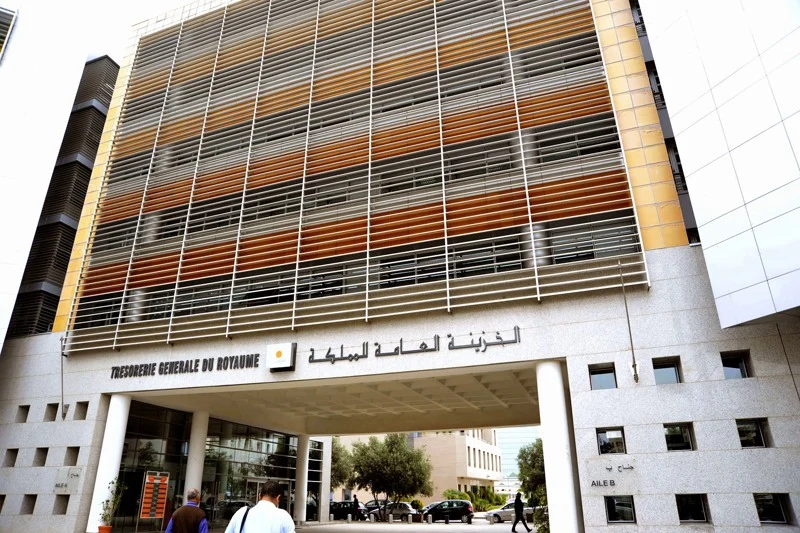
The budget deficit reached 48.2bn dirhams ($4.8bn) by the end of July 2026, down from 53.7bn dirhams a year earlier. The figures from the General Treasury show that government revenue increased by 8.3% during the first seven months of the year. But spending grew faster, rising by 14.2%.
Total spending was up 13.3%. Investment spending rose by 10.2% to 72bn dirhams, compared with 65.4bn dirhams during the same period in 2025.
Spending on goods and services increased by 14.3%. Employee costs rose by 10.4%, while other spending on goods and services went up by 19.9%.
Debt interest costs increased by 2.7%. Spending on subsidies also rose sharply, by 65%.
The ordinary budget balance remained positive at 4.5bn dirhams. The figure was much lower than the 16.5bn dirham surplus recorded a year earlier.
Special Treasury accounts and independently managed state services posted a combined positive balance of 19.4bn dirhams. They had recorded a negative balance of 4.8bn dirhams a year earlier.
The government had financing needs of 54.1bn dirhams by the end of July. External financing provided a net 26.8bn dirhams, while domestic financing covered the remaining 27.4bn dirhams.
Spending commitments stood at 58% of the planned amount, compared with 55% a year earlier. The rate of spending actually issued against those commitments remained at 85%.