

Millions of salaried workers and civil servants in Morocco are set to pay less income tax from next year, while self-employed workers will be able to earn more from a single company before facing an additional tax deduction. Parliament’s House of Representatives has approved a government plan to raise the annual income tax exemption threshold from 40,000 to 60,000 dirhams, meaning people earning up to 5,000 dirhams a month will no longer pay income tax.
The reform, which will begin on 1 January 2027, is expected to cost the state 21bn dirhams over several years. It will also gradually reduce the highest income tax rate from 37% to 30%.
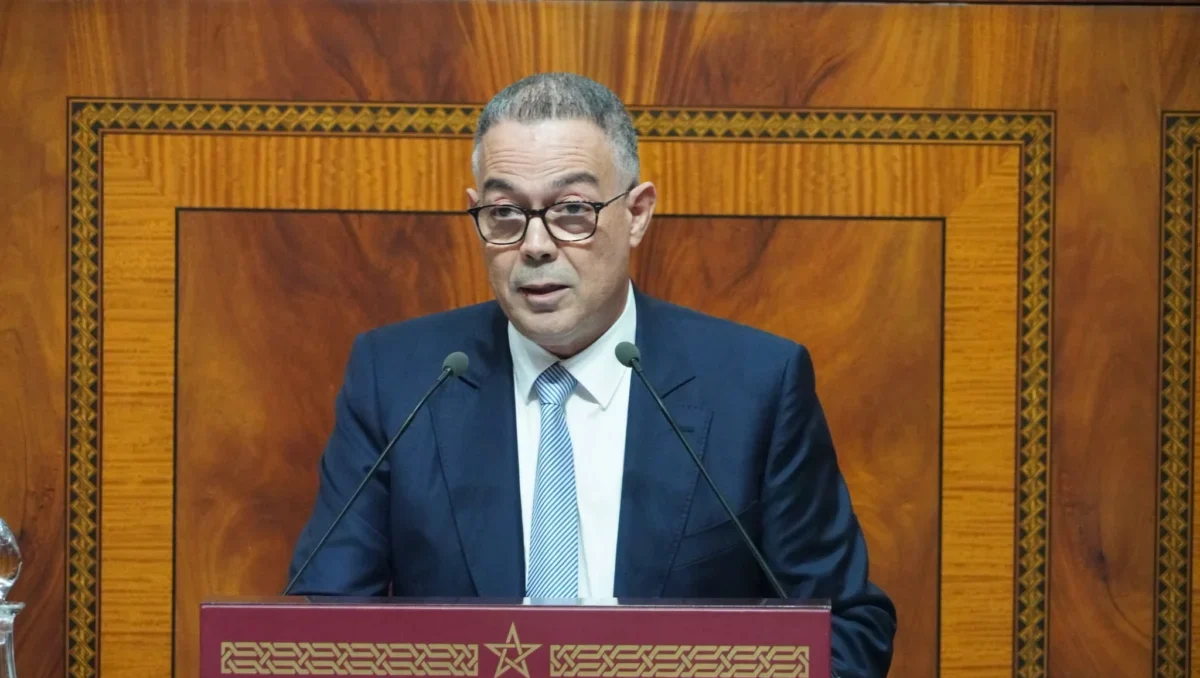
Economy and Finance Minister Fouzi Lekjaa told MPs on Saturday, 14 November, that the entire tax-cut schedule had been written into the 2027 Finance Bill. This means the reductions will take effect according to the agreed timetable without requiring parliament to approve them again every year.
The changes also affect people working independently under the Auto-Entrepreneur scheme, which allows freelancers and small business owners to operate under a simplified tax system.
Their annual earnings from a single corporate client can now reach 100,000 dirhams, up from 80,000 dirhams, before a 30% withholding tax applies.
The increase followed a proposal by opposition lawmakers from the Popular Movement (MP), who wanted the limit raised to 150,000 dirhams. The party withdrew its amendment after Mr Lekjaa promised a wider review of the rules governing self-employed workers.
MP lawmakers argued that the previous limit was too restrictive, particularly for young people working in digital services who often depend on a single company for most of their income.
The revised threshold was approved unanimously by MPs, with no votes against or abstentions.
Why the tax cuts will be phased in
The government has rejected calls from the Federation of the Democratic Left (FGD) to introduce the full income tax reductions within a single year.
Mr Lekjaa said spreading the cuts over several years was necessary to protect public finances while allowing the government to meet its wider spending commitments.
“Can a five-year government program be executed in twelve months? Anyone claiming they can spend 350 billion dirhams in a single year should tell Moroccans openly how and where they will finance it,” he told parliament.
The government has allocated 350bn dirhams to its five-year programme. It plans to spend 62bn dirhams in the first year, followed by 72bn dirhams annually over the next four years.
The minister also pointed to new corporate tax revenues as a way of helping pay for the reforms. Eleven petroleum companies will be moved into the 40% corporate tax bracket, the highest rate applied to large companies.
What the changes mean for workers
The new 60,000-dirham tax-free threshold represents a 50% increase on the current limit of 40,000 dirhams. It is also double the 30,000-dirham threshold that applied before 2025.
The highest income tax rate will fall by seven percentage points, from 37% to 30%, once the gradual reductions are completed.
The government says the changes will benefit employees in both the public and private sectors by increasing their take-home pay.
The package also includes full pension payments for widows and an increase in minimum retirement benefits, with both measures scheduled to begin in January 2027.
The Auto-Entrepreneur scheme was introduced in 2015 to make it easier for independent workers to operate legally. It applies a turnover tax of 1% to service providers and 0.5% to people working in commerce, industry and crafts, subject to annual revenue limits.
The single-client threshold was introduced in 2023, when a 30% withholding tax was imposed on earnings above 80,000 dirhams from one corporate client. The measure was intended to prevent companies from replacing salaried employees with self-employed contractors.
The new 100,000-dirham limit raises that ceiling by 25%, although earnings above it from a single company will remain subject to the withholding tax.
The income tax reform and the changes to the Auto-Entrepreneur rules have passed the House of Representatives. They must now go through the House of Councillors before the planned implementation date of 1 January 2027.


