The country’s regulated cannabis sector expanded further last year, which officials described as a “qualitative leap” in its development, according to Mohamed El Guerrouj, Director General of the National Agency for the Regulation of Cannabis-related Activities (ANRAC).
Total production of dried cannabis reached 19,576 quintals in 2025, up from 18,810 quintals in 2024.
ANRAC issued 4,147 new licences over the year, bringing the total number of active permits to 5,765.
Most of the licences, 5,492 in total, were for cultivation and involved 5,318 farmers. A further 273 licences were granted for processing, marketing, transport, and seed import and export activities, covering 183 operators.
El Guerrouj said every licence is linked to signed purchase contracts between farmers and authorised operators, which set prices and payment conditions in advance.
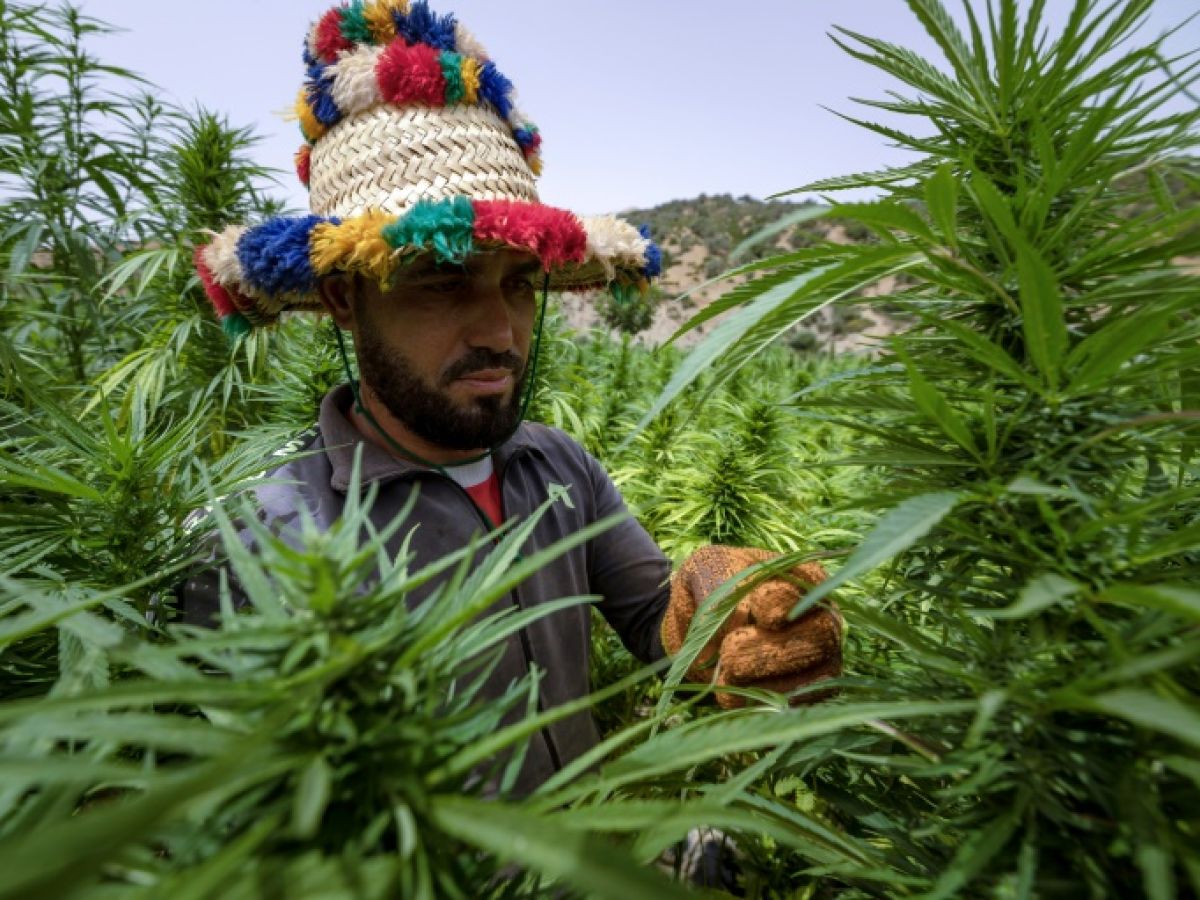
Cannabis cultivation covered 3,141 hectares in 2025 and involved 4,776 farmers. The majority of this land, 2,622 hectares, was planted with the local Beldia variety, while 519 hectares were used for imported strains.
On the industrial side, five processing plants are now fully equipped and operational, with a combined capacity of 560 tonnes. Eleven additional factories are still under construction. Regulated cannabis products are also available at more than 600 authorised points of sale across Morocco.
The number of cannabis-based pharmaceutical and health products has risen to 141. In 2025 alone, 110 products were registered with the national medicines authority, including food supplements, cosmetic products and one medicine.
Moroccan products are also reaching more international markets. Exports now extend to more than seven countries, including France, Switzerland, Portugal, Australia and South Africa, supported by official trade missions promoting the sector abroad.
Despite the growth, regulators say enforcement remains strict. ANRAC carried out 7,526 inspections in 2025, leading to the withdrawal of 111 licences and warnings issued to 150 operators. More than 1,300 agricultural licences were also revoked.
The sector operates under Law 13-21, introduced in 2021, which regulates legal cannabis production in northern provinces including Al Hoceima, Chefchaouen and Taounate.
Officials say the aim is to bring farmers into the formal economy, reduce illegal trade and position Morocco within the expanding global medical cannabis market.