
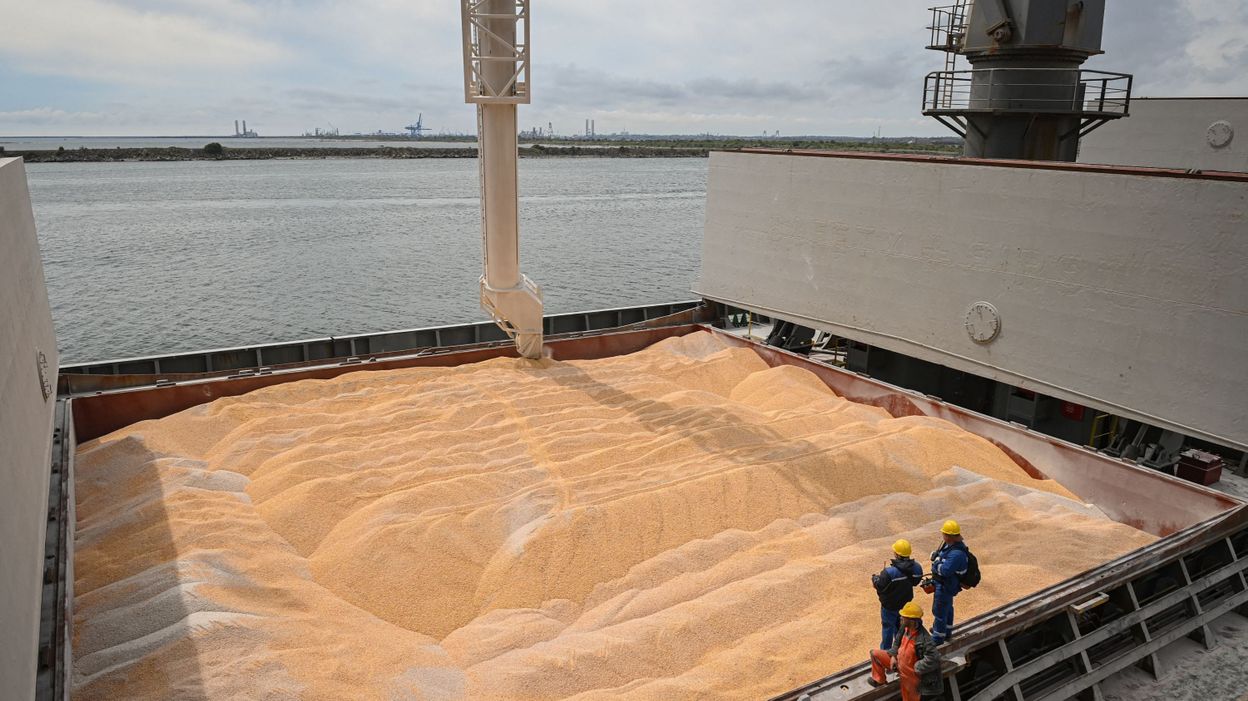
After years of drought and poor harvests, Moroccan farmers are finally seeing a good cereal season. Now the government is preparing to reopen wheat imports while making sure local grain is sold first.
Morocco is expected to suspend import duties on soft wheat from 1 August, according to Reuters, to boost national grain stocks and allow private operators to resume imports.
The government had raised import duties on soft wheat to 135% between 1 June and 31 July to protect local farmers during the harvest period.
The idea was to give Moroccan wheat priority in the market before cheaper imported grain arrives. Without the tariff, millers could have turned to foreign suppliers instead of buying from local farmers.
This year’s harvest has given authorities more room to ease restrictions.
Morocco expects cereal production to reach around nine million tonnes, nearly double the levels seen in recent years. About 3.9 million hectares were planted with cereals, with soft wheat expected to account for roughly five million tonnes.
The recovery follows seven straight years of drought. Better rainfall across major farming regions helped boost yields and improve crop conditions.
However, the planned suspension of import duties comes with a condition.
According to Omar Yacoubi, president of the National Federation of Grain and Legume Traders, the government wants operators to collect at least 1.2 million tonnes of local soft wheat by 15 July. That represents 80% of a national target of 1.5 million tonnes.
The goal is to make sure traders and millers buy Moroccan wheat before looking abroad for supplies.
To support the effort, the National Interprofessional Office for Cereals and Legumes (ONICL) is offering financial incentives to traders. These include support for transport, handling and storage costs.
The agency also wants more wheat stored in silos to build up strategic reserves. The aim is to secure enough grain for subsidised flour production until January 2027 and reduce exposure to global market disruptions.
Despite the strong harvest, getting wheat into the formal market remains a challenge.
Many small and medium-sized farmers keep part of their crop for their own use, whether for family consumption, bread making or livestock feed. As a result, not all of the harvest reaches commercial buyers.
Even in good years, this limits the amount of wheat available to industrial millers and can increase the need for imports.
Still, Morocco’s import bill is expected to fall sharply.
According to forecasts from the US Department of Agriculture, the country could import around four million tonnes of wheat during the 2026/27 season, down from about 6.6 million tonnes a year earlier.
A smaller import bill would reduce pressure on foreign currency reserves and help contain the cost of flour subsidies that support bread prices across the country.