Morocco is becoming one of Africa’s most competitive renewable energy markets, helped by cheap solar power and a growing push to produce green hydrogen. A new report by Mordor Intelligence says Africa’s renewable energy capacity could more than double from 86.95GW in 2026 to 179.66GW by 2031.
The market is expected to grow by 15.62% a year during that period. Solar power is expected to grow even faster, at 27.84% a year.
Morocco has some of the lowest solar prices in Africa. Utility-scale solar tenders in the country and Egypt have fallen below $0.03 per kilowatt-hour, according to the report.
“Utility-scale solar auction tariffs in Morocco and Egypt fell below $0.03 per kilowatt-hour, undercutting new coal and gas by more than 40%… allowing 20-year fixed-price PPAs that lock in long-term multilateral debt.”
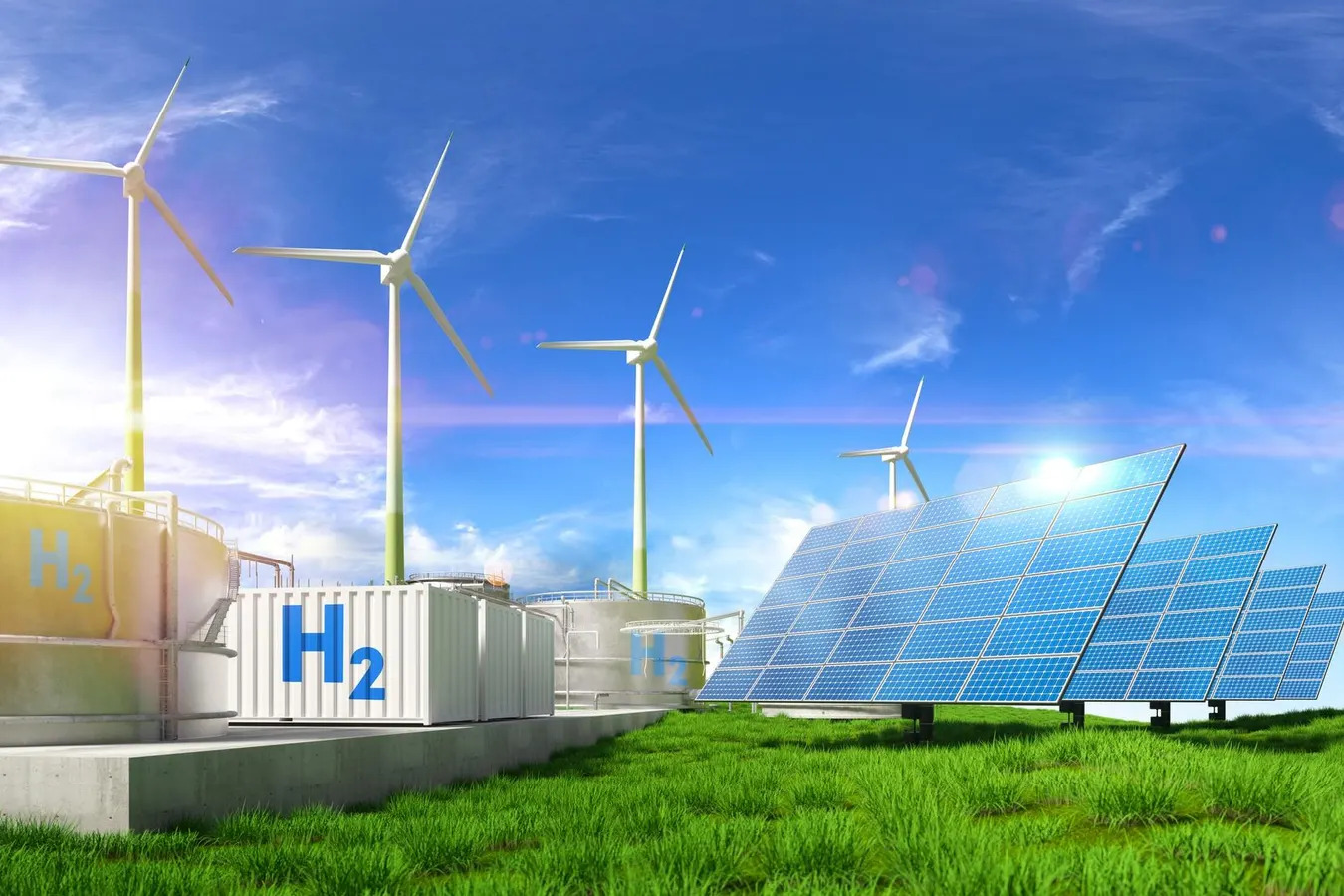
The country is also investing heavily in green hydrogen. A $32.5bn investment plan links renewable energy projects to the production of green hydrogen and ammonia.
The target is to produce about 3m tonnes a year for local industries and export markets, including Europe.
Several international energy companies are involved in projects in Morocco, including ACWA Power, Masdar, ENGIE and Enel Green Power.
The Noor Midelt complex is one of the main solar projects. It combines solar power with battery storage and other technologies designed to produce electricity at a lower cost.
Large wind farms are also planned along the Atlantic coast. Strong wind conditions in areas such as Dakhla, Laayoune and Tarfaya could provide electricity for green hydrogen production.
Morocco has made land available to developers under its green hydrogen programme. Individual projects can receive up to 30,000 hectares of state-owned land.
Other African countries are also expanding renewable energy.
South Africa is developing a 48GW wind project pipeline. Namibia is working on the $10bn Hyphen green hydrogen project, while Kenya and Nigeria are expanding solar mini-grids.
The sector still faces problems across the continent. Weak electricity grids, power cuts from oversupply and foreign currency restrictions can make renewable projects harder to develop.
Europe could provide an important market for African green hydrogen. The EU has set a target to import 10m tonnes of renewable hydrogen by 2030.
“Morocco’s geographical proximity, established solar-wind infrastructure, and framework agreements make it a natural primary supplier for Europe’s industrial decarbonization.”
The combination of low solar prices, wind resources and investment in green hydrogen is giving Morocco a growing role in Africa’s renewable energy sector.