There is something quietly important happening in Rabat this week. While most attention stays on land, a growing debate is unfolding over what happens at sea and what it means for Africa’s future.
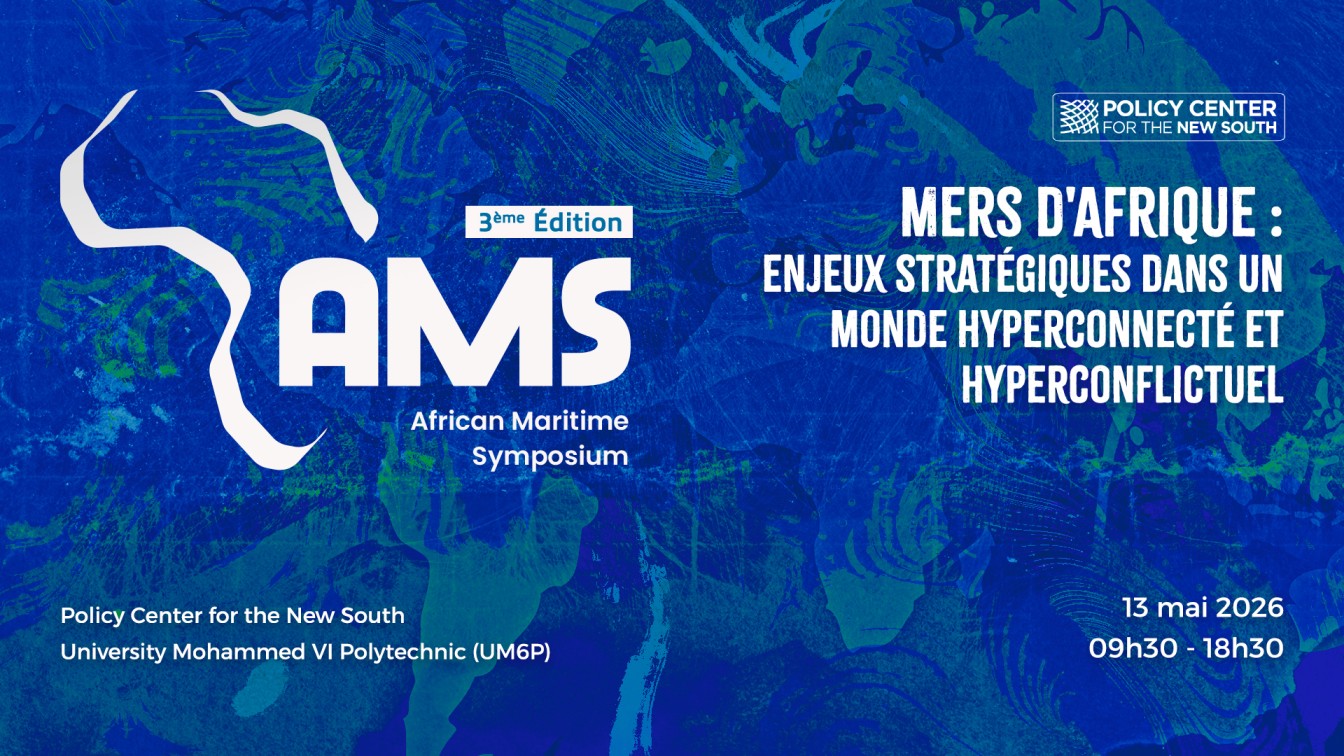
The Policy Center for the New South is holding the third edition of the African Maritime Symposium on Wednesday in Rabat. The theme focuses on Africa’s seas in a world where global tensions and digital connections are increasingly playing out on the water.
The message from experts is simple. Africa’s oceans are no longer just borders or trade routes. They are becoming spaces where power, security and influence are decided.
From busy shipping lanes and underwater internet cables to valuable resources on the seabed, the oceans now sit at the heart of global competition. At the same time, African waters are under pressure from piracy, illegal fishing, trafficking and the impact of climate change on coastal areas.
Speakers say the real challenge is not just having access to the sea, but knowing how to use it strategically. Jamal Machrouh, a senior figure at the Policy Center for the New South, said: “There is a fundamental difference between having a maritime space and building a maritime presence and power.” His point echoes comments by King Mohammed VI, who called for moving “from a logic of potential to a logic of ownership”.
The event brings together diplomats, academics and officials, including Senegalese jurist Diénaba Beye, Niger’s ambassador Adani Illo, Morocco’s ports director Sanae El Amrani, and Nisrine Louzzi.
Beyond the technical talks, a bigger question hangs in the air: will Africa simply react to what is happening at sea, or will it step up and become a real maritime power in its own right, as oceans increasingly shape global power?