
Some of the world’s biggest shipping companies have warned that growing disruption to global trade is making it more expensive to move goods around the world, with the extra costs eventually reaching consumers.
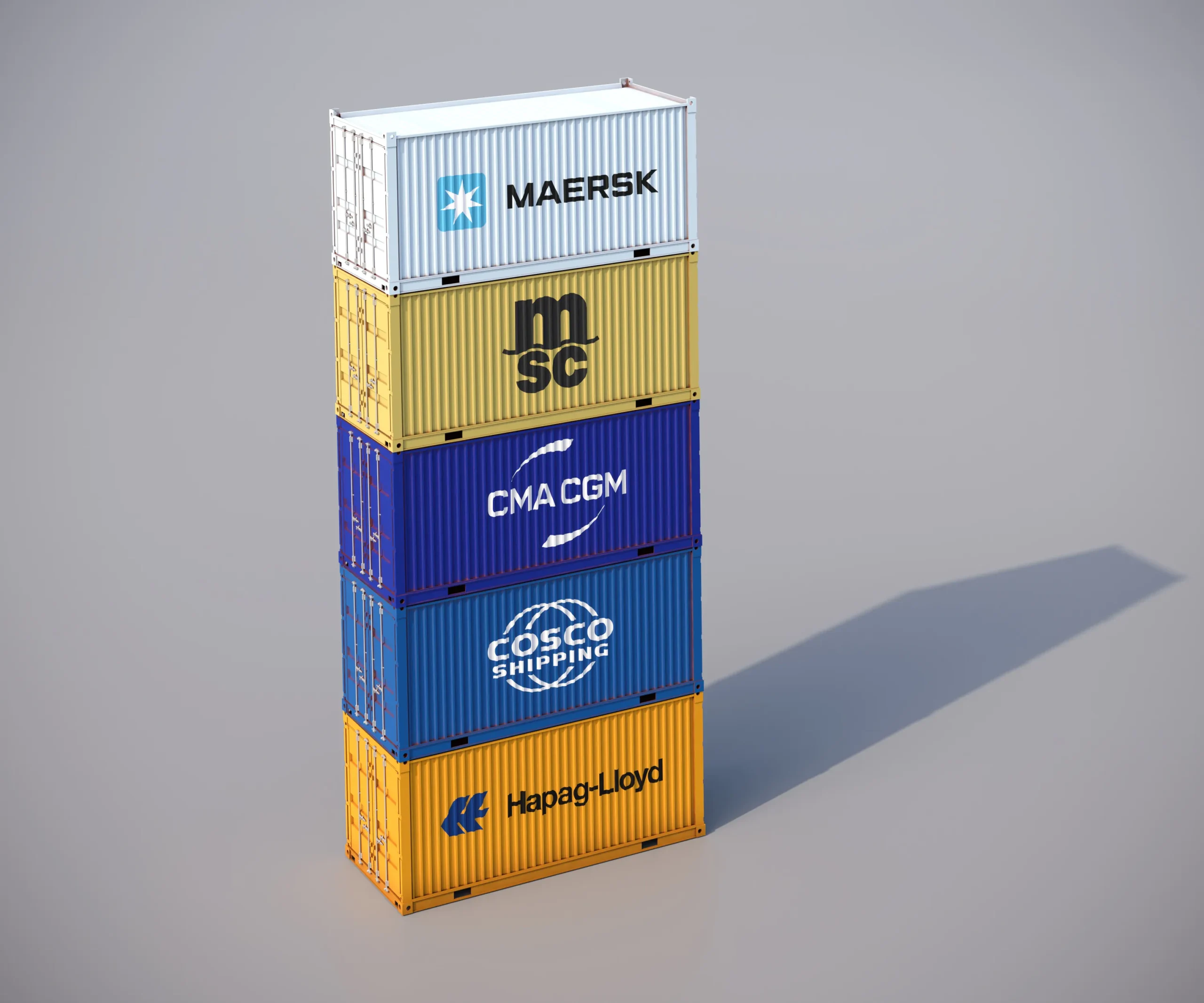
The warning was delivered to the World Trade Organization (WTO) during a meeting in Geneva attended by leading shipping firms including MSC, CMA CGM, COSCO Shipping and Hapag-Lloyd.
Industry leaders said global supply chains have largely held up despite ongoing tensions in the Middle East and other key trade routes. However, ships are increasingly being forced to take longer journeys to avoid conflict zones and congested areas, adding time and cost to deliveries.
Many vessels travelling between Asia and Europe are now bypassing the Red Sea and taking the much longer route around the Cape of Good Hope. According to industry estimates, this can add up to two weeks to a voyage.
Shipping executives also warned that alternative transport options have limited capacity. One participant noted that replacing a single container ship would require around 70 freight trains, underlining how difficult it is to shift large volumes of cargo away from sea routes.
They also pointed to customs delays and paperwork issues on new transport corridors that combine ships, trains and trucks, saying these bottlenecks are slowing trade.
The industry called for more investment in ports, transport infrastructure and logistics networks to keep goods moving smoothly. Executives also stressed the importance of protecting freedom of navigation and respecting international trade rules.
WTO Director-General Ngozi Okonjo-Iweala said maritime transport carries more than 80% of goods traded worldwide. She called for closer cooperation between governments and businesses to strengthen supply chains.
She also urged countries to speed up customs procedures, expand digital systems and improve information sharing to reduce delays.
The meeting comes at a time when global trade is slowing. The WTO expects trade in goods to grow by just 1.9% this year, compared with 4.6% last year. The organisation has warned that continued geopolitical tensions could slow growth even further.
The companies represented at the Geneva meeting account for more than three-quarters of the world’s container shipping capacity.