
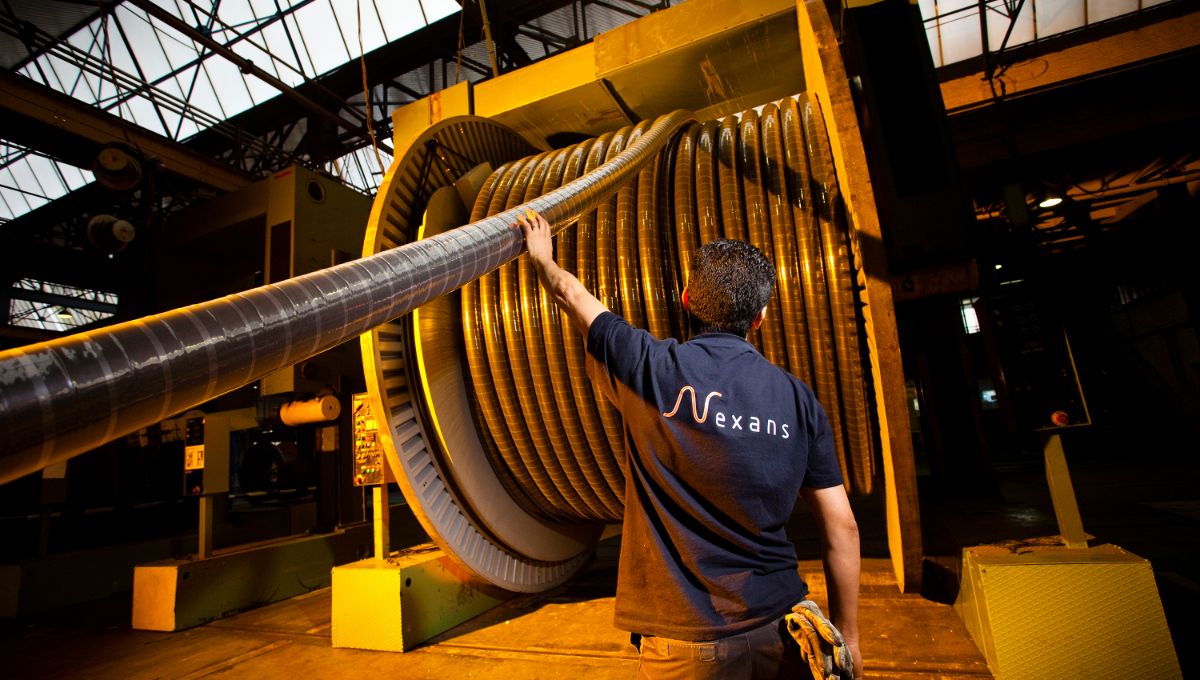
Morocco’s Noor Atlas solar project has taken a step forward after Nexans Maroc and its partners won a major contract to supply cables and electrical systems needed to connect solar plants to the national grid.
The project is being developed by Masen and is part of Morocco’s plan to expand renewable energy and reduce its reliance on imported fossil fuels. The aim is to reach 52 percent renewable electricity by 2030.
Nexans Maroc will help build the electrical network needed to carry power from six solar plants into the grid. These sites are located in Jerada, Errachidia, Figuig, Boulemane, Tata and Tan Tan.
The programme has a total capacity of 305 megawatts and is supported by funding from the European Investment Bank and Germany’s KfW.
Unlike Morocco’s earlier large solar sites built in one place, Noor Atlas spreads smaller solar plants across different regions. This makes it more difficult to move electricity around, so stronger cables and better grid systems are needed.
Officials say the project should help create jobs, improve local infrastructure and give more stable access to electricity in rural areas.
Morocco still imports much of its energy, and projects like this are meant to reduce that dependence while improving the overall power network.
The programme is also linked to wider plans, including green hydrogen development, which aims to use renewable electricity to produce fuel for industry and export, especially for the OCP Group.
It also connects to larger regional energy ideas such as the planned Xlinks Morocco UK Power Project, which would send renewable electricity to the United Kingdom through a long undersea cable.
Morocco is also working on improving electricity links with neighbouring West African countries as part of efforts to become a regional energy hub, under the leadership of King Mohammed VI.