Stellantis has paused plans to build a new factory in South Africa as it reviews the project, while its factories in Morocco and Turkey continue to grow in importance. The carmaker announced the South African factory in 2023. The plant, planned for Gqeberha in the Eastern Cape, was expected to build the Peugeot Landtrek pickup truck.
The project has not been cancelled. Instead, Stellantis is looking at changing the factory so it can produce several models rather than just one.
Mike Whitfield, Managing Director of Stellantis South Africa, said the company was reviewing whether the project still made business sense because the country’s car market had changed.
“It has only been temporarily suspended to re examine its industrial and commercial viability in light of the shifts happening in the country’s automotive market.”
Whitfield said Chinese carmakers were putting growing pressure on the market by offering cheaper vehicles.
He said demand had shifted towards vehicles costing less than 400,000 rand, about $24,400, forcing Stellantis to rethink its plans.
He also said locally built pickup trucks now account for around 70% of the market, down from 94% three and a half years ago.
“This shift demands a review of production trends.”
Whitfield said Stellantis would decide on the future of the factory in the coming months. He added that the company was focused on its own production plans and had no immediate intention of partnering with Chinese manufacturers.
As South Africa’s project remains under review, Morocco continues to strengthen its role in Stellantis’s manufacturing network.
Samir Cherfan, Chief Operating Officer for the Middle East and Africa, said the company’s factories in Morocco and Turkey are among its most efficient and competitive production sites.
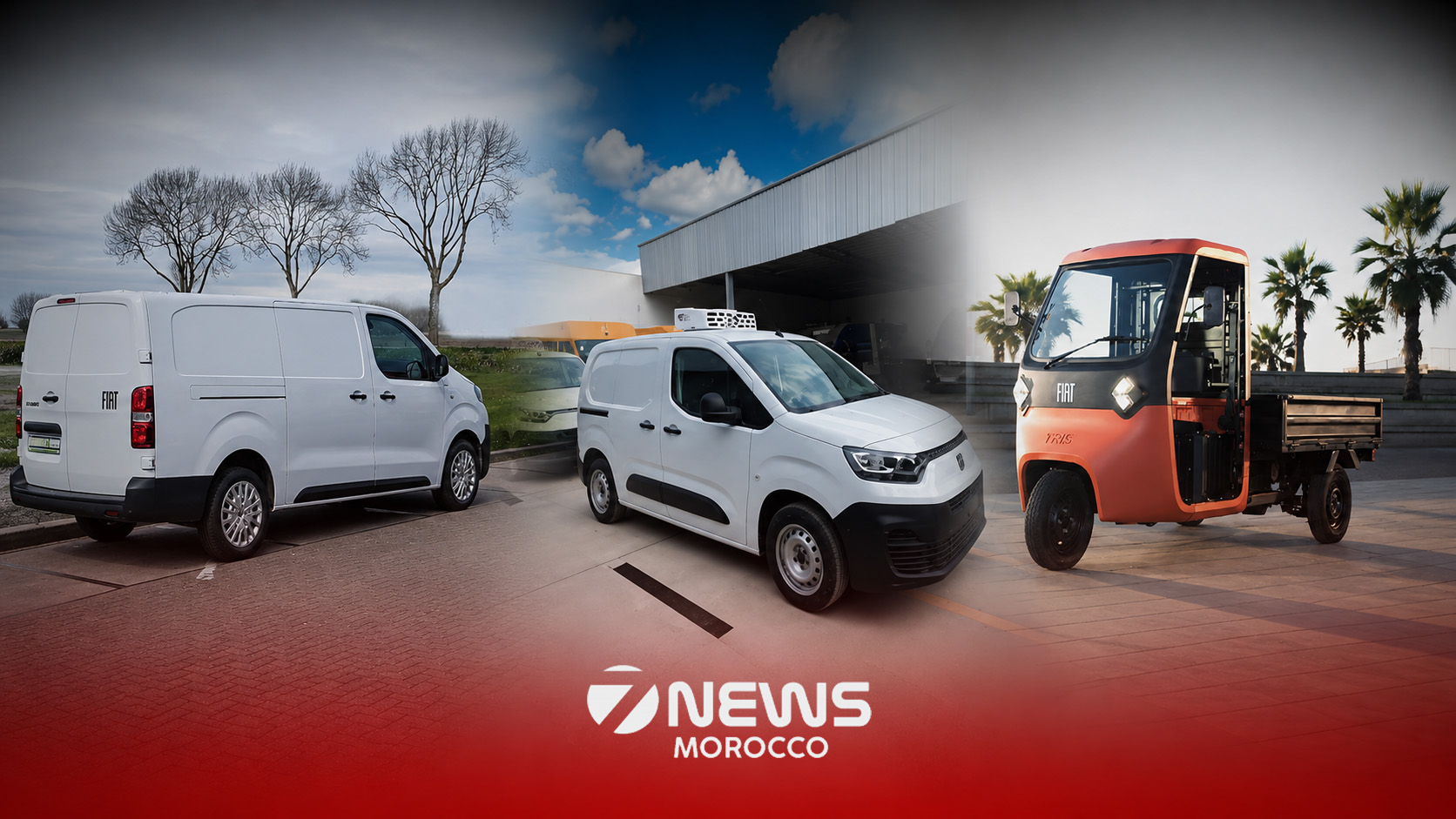
Stellantis has already invested €300 million to expand its factory in Kenitra, doubling production capacity to 400,000 vehicles a year. The site also builds small electric vehicles such as the Citroën Ami and Fiat Topolino.
Morocco has become an attractive manufacturing base thanks to its location close to Europe, the Tanger Med port, and a local supplier network with an integration rate of more than 65%.
Stellantis is also expanding across Africa by combining local production with imports of SUVs and pickup trucks from Asia.
The review comes as South Africa faces growing competition from Chinese brands such as Haval, Chery and BYD, while the country’s car industry also struggles with transport and energy challenges.