
Morocco will have more people, but it will also become much older over the next 35 years, according to new population projections from the High Commission for Planning (HCP).
The country’s population is expected to grow from 36.8 million in 2024 to 43.3 million by 2060, but population growth will almost stop by then.
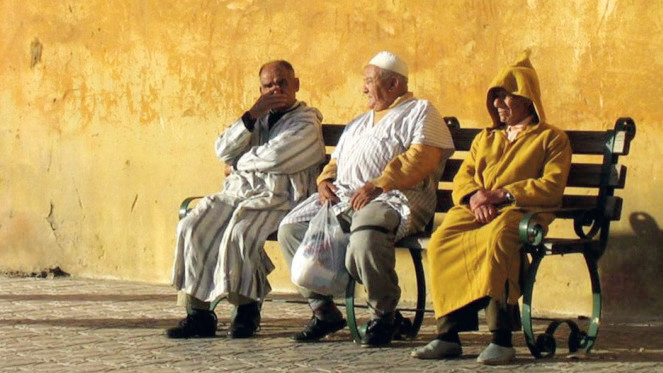
The biggest change will be the number of older people. The HCP said 10.9 million Moroccans will be aged 60 or over by 2060, making up almost one in four people, compared with 13.6% of the population in 2024.
The projections are based on data from the 2024 General Population and Housing Census. The HCP used its medium scenario, saying it is the most likely based on current trends.
The report says an ageing population will put more pressure on pensions, healthcare and social protection. It also means fewer working people will be supporting a growing number of retirees.
At the same time, Morocco is expected to have fewer children as birth rates continue to fall.
The number of preschool children is projected to drop from 1.25 million to 960,000 by 2060. Primary school enrolment is expected to fall from 4.16 million to 3.04 million, while lower secondary school enrolment will decline from 2.08 million to 1.61 million.
The HCP said this “could present an opportunity to improve educational quality and learning conditions.”
More people are also expected to live in cities. The urban population will grow to 32.5 million by 2060, while the rural population will fall to 10.8 million.
The report says this will increase demand for housing, transport, infrastructure and public services, while showing the need to keep investing in rural areas.
Morocco’s working-age population is still expected to grow, rising from 22.08 million in 2024 to around 25 million in 2060. However, the number of people aged between 18 and 24 is expected to fall slightly.
The HCP said Morocco needs to prepare now for these changes.
“They demand accelerating the reform of social protection systems, adapting the labour market, and achieving balanced development between urban and rural areas.”
The figures also reflect a long-term change in Morocco’s population. The average number of children per woman has fallen from more than seven in the 1960s to around 2.1 today, close to the level needed to keep the population stable.
While fewer children could give schools more room to improve education, the growing number of older people will increase demand for pensions and healthcare. At the same time, Morocco will need to create enough jobs for its larger working-age population if it wants to benefit from this demographic shift.