
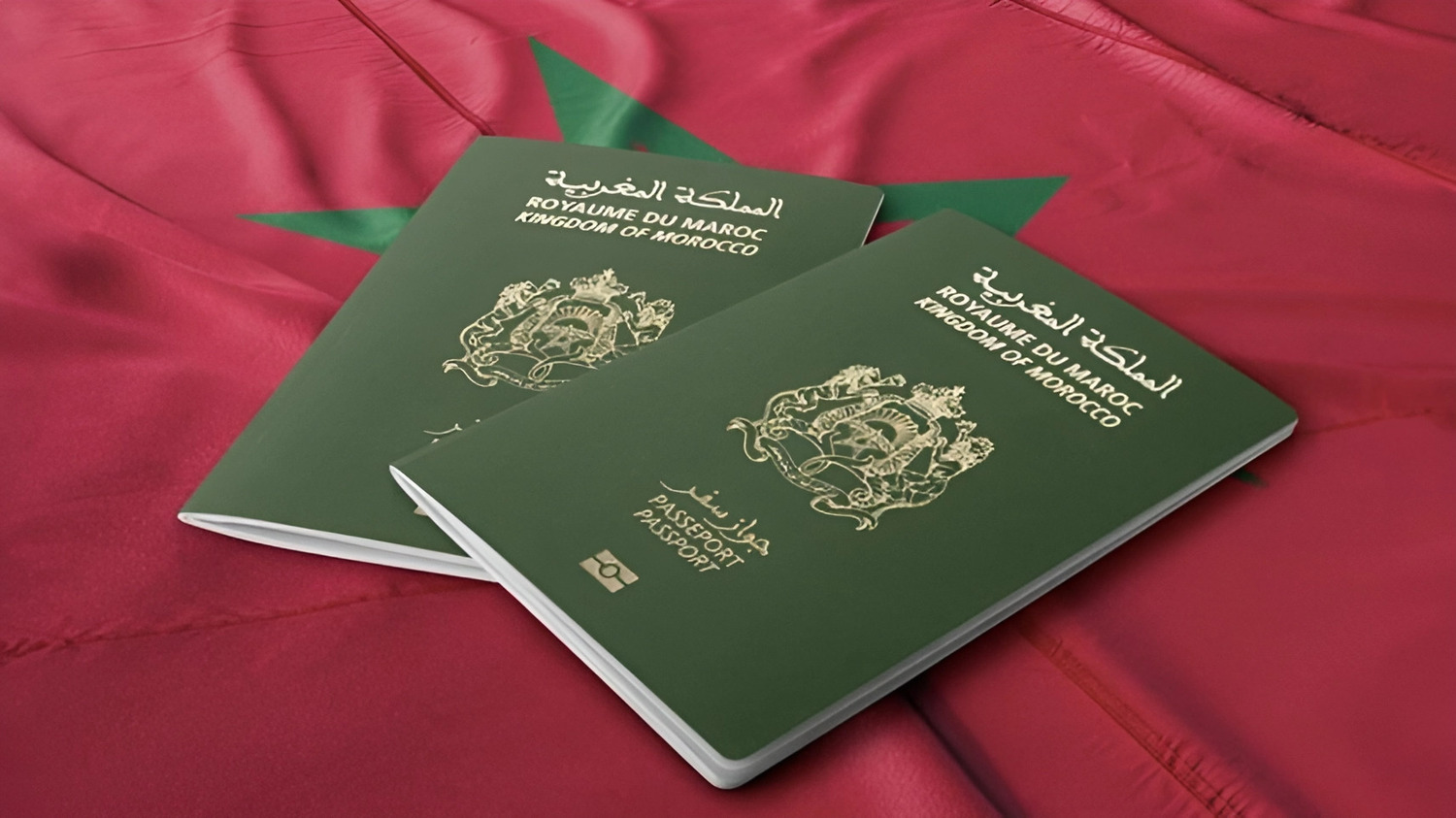
Morocco is introducing a new biometric passport with stronger security features, updated technology and a redesigned identity page as part of efforts to better protect its travel documents. The Government Council approved the draft decree on Thursday. Government spokesperson Mustapha Baitas said the new passport is designed to meet the latest international security standards while reflecting Morocco’s identity.
“The new biometric passport combines security requirements with modern technology. It also reflects the Moroccan identity in its diverse cultural aspects.”
The draft decree, No. 2.26.551, sets the legal framework for the new passport, which is due to start rolling out in August 2026.
Baitas said current passports will stay valid until they expire and will be replaced gradually, meaning holders will not need to renew them immediately.
He added that the Ministry of the Interior and the Ministry of Foreign Affairs, African Cooperation and Moroccan Expatriates will jointly issue the rules and procedures for applying for the new passport.
What’s changing?
The passport comes with several new security and design updates.
The personal information page will now be printed in four languages: Arabic, Amazigh in Tifinagh, French and English.
The holder’s home address has been removed from the passport to better protect personal data and avoid the need to update the document if someone moves during its five-year validity.
A second secure photo of the passport holder has also been added to the signature page to help verify identity.
The identity page itself is now made from polycarbonate, a strong plastic material used in many modern passports. Personal details and the holder’s photo are laser-engraved into the page instead of being printed, making the document much harder to tamper with.
The page is also attached using a secure textile hinge that is designed to break if someone tries to remove or replace it.
Better protection against fraud
The passport’s electronic chip has also been upgraded.
It stores encrypted information about the passport holder, including their facial image and digital signature. Border officials can check this information to make sure the passport has not been altered.
The new passport meets the International Civil Aviation Organization (ICAO) Doc 9303 standards used for biometric passports around the world.
Other changes
The decree also removes Morocco’s temporary non-biometric emergency passport.
It also ends an exception that allowed some minors to apply for a passport without completing all electronic identity checks. From now on, passport applications will be fully linked to Morocco’s digital identity system, including the National Electronic Identity Card (CNIE 2.0) and the National Population Register (RNP).
The government says this should make identity checks faster, reduce errors and improve security.
Getting stronger
The new passport comes as Morocco reaches its highest passport ranking in 20 years.
According to the Henley Passport Index, the Moroccan passport is now ranked 62nd in the world, up from 69th last year. It is the strongest passport in North Africa and the fifth strongest in Africa.
Moroccan citizens can currently travel to 71 to 73 destinations without applying for a visa in advance. This includes countries offering visa-free entry, visas on arrival or electronic travel authorisations.
However, Moroccans still need visas to travel to the Schengen Area, the United Kingdom and North America.