
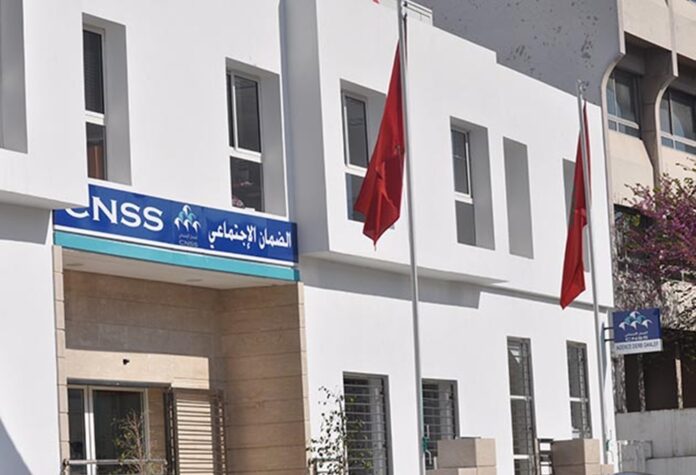
The National Social Security Fund (CNSS) plans to upgrade the way it tracks performance and manages its operations as its responsibilities continue to grow. The fund has launched a 1.2 million-dirham study to review and improve its management control system. Companies have until 27 August to submit bids for the contract.
The four-month study will start with a full review of the current system. It will look at governance, planning, budgeting, reporting, performance monitoring, and the quality and availability of data.
The consultant will also identify weak points, duplicated work and areas that need improvement.
The study includes a comparison with similar organisations in the region and internationally to see how CNSS measures up against recognised best practices.
Once the review is complete, the consultant will deliver recommendations, a new management control model and a multi-year roadmap to put the changes into place.
The final package will include process maps, stakeholder mapping, a list of reporting tools, a summary of findings, a benchmark report and a detailed action plan.
The review comes as CNSS takes on a much bigger role under Framework Law 09.21, which expanded social protection across the country.
More than 32 million people, or about 88% of the population, are now covered by Mandatory Health Insurance (AMO).
The state-funded AMO-Tadamon scheme covers nearly 11 million low-income people. Between December 2022 and late 2025, the government transferred 25.51 billion dirhams to CNSS to pay their health insurance contributions.
AMO-TNS, which covers self-employed and non-salaried workers, has nearly 4 million policyholders and their dependants. The voluntary AMO-Achamil scheme has more than 313,000 members.
CNSS is also preparing to take over the management of public-sector health insurance through the planned merger with CNOPS under Draft Law 54-23.
The expansion has sharply increased the fund’s workload. CNSS now processes hundreds of thousands of reimbursement claims every week, manages government transfers and distributes family support payments.
The updated management control system is expected to improve financial oversight, data quality and governance as the institution manages larger budgets and serves millions of beneficiaries.