
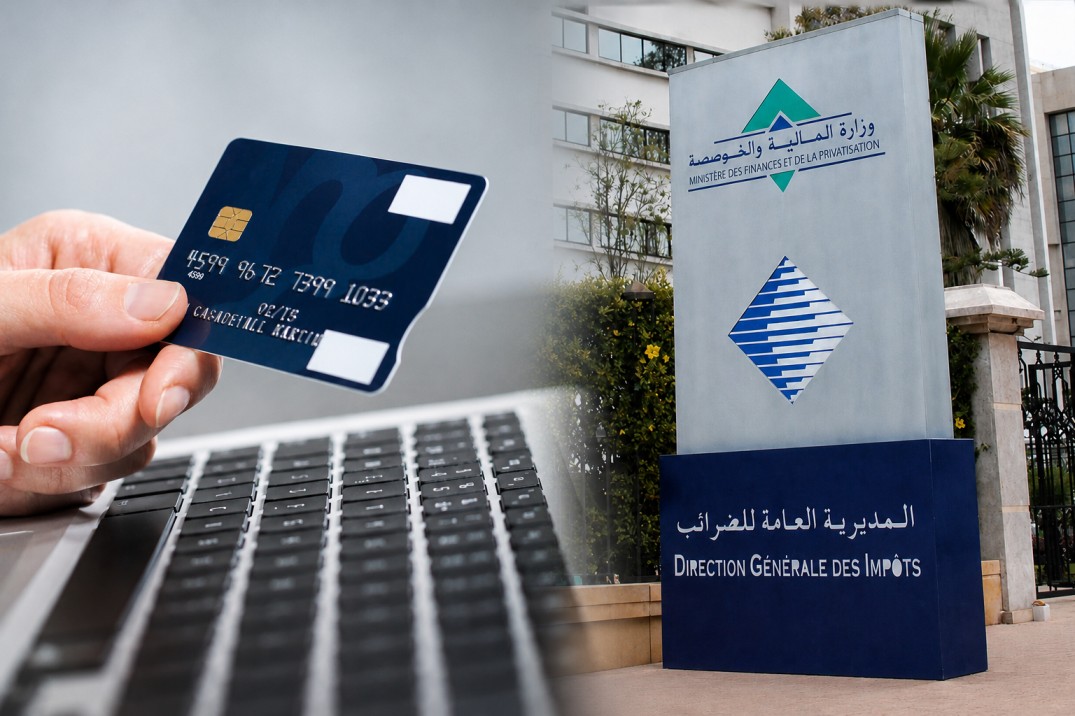
Tax officials have started checking bank accounts as part of a new drive to find people who may have failed to declare their income.
Tax offices in Casablanca, Rabat and Tangier are now using powers under Article 214 of the General Tax Code to access banking information. Several people have already received notices asking them to regularise their tax situation. Some of those contacted are officially listed as having no job or business activity.
The checks focus on bank accounts that received large transfers or recorded heavy financial activity over the past two years. Tax inspectors first asked account holders to explain where the money came from and to provide documents proving the income was legal and properly declared.
The tax authority is also preparing to use Article 216 of the General Tax Code. The law allows inspectors to carry out a full review of a taxpayer’s financial situation by looking at bank account balances and transactions to estimate annual income.
People who cannot explain money paid into their accounts by others are likely to face closer checks. This includes cash deposits, cheques and bank transfers.
Some people claimed the money came from gifts, repayments of undocumented personal loans or temporary deposits made for relatives. Tax inspectors found that some of them were actually running businesses without declaring them or registering them with the tax authority.
Investigators have also found signs that some people may be using bank accounts held by relatives or friends to hide income or business activity and avoid paying tax.
The checks compare money moving through bank accounts with tax returns. People under review must provide documents showing where the money came from, including income from work, business, property, gifts or inheritance.
Article 219 of the General Tax Code says every tax audit must begin with a formal notice. The notice must state the period being checked and include the taxpayer’s charter, which explains their rights and obligations.
People have 30 days to provide the requested documents. If they fail to explain the source of the money, the tax authority can reassess their tax position and apply penalties allowed under the law.
The latest round of notices is expected to affect several thousand taxpayers whose banking activity does not match the income they declared.
The checks use risk analysis based on banking data, land registry records from the National Agency for Land Conservation, Cadastre and Cartography, and vehicle registration records to identify possible cases of undeclared income.