
Lockheed Martin’s Q1 2026 results show falling earnings, F-16 production delays and possible delivery setbacks for Morocco’s fighter jet order. The defence giant missed profit forecasts as rising costs, supply chain problems and software issues hit key aircraft programmes.
The US defence company said first-quarter earnings reached $6.44 per share, missing forecasts, while revenue stood at $18bn, showing little growth from a year earlier. Shares fell about 4% when markets opened in New York. Despite the setback, the firm kept its full-year revenue outlook of $77.5bn to $80bn.
The main pressure came from the aeronautics division. Revenue in the unit dropped to $6.95bn after $125m in unfavourable profit adjustments tied to the F-16 Block 70/72 programme. Development delays and production performance issues have slowed work at the Greenville, South Carolina factory.
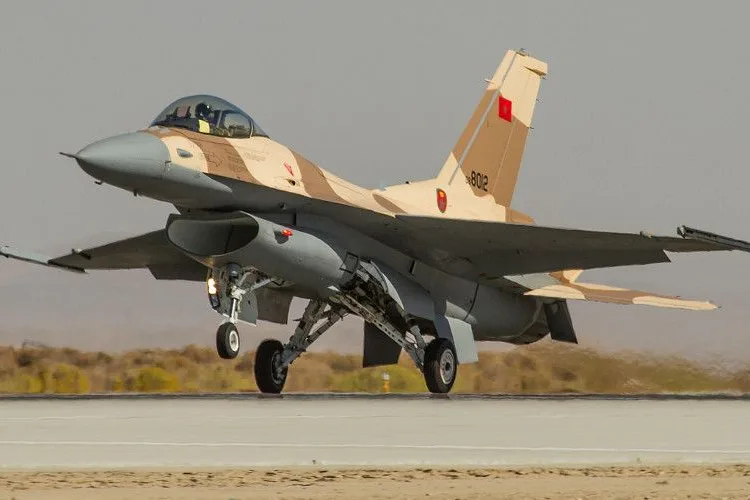
Morocco has ordered 25 F-16 Block 70/72 aircraft to modernise its air force. The company said technical hurdles during flight testing and precision adjustments have slowed the assembly line, raising the risk of longer delivery timelines.
The results also reflect wider strain across fixed-price defence contracts. Lockheed said it is absorbing rising costs linked to persistent inflation, fragile supply chains and new tariffs on imported metals. Shortages in microelectronics and specialist aerospace components have added further pressure.
Problems extend beyond the F-16. The company reported a $55m loss on the C-130 Super Hercules transport aircraft programme, citing “diminishing manufacturing sources”. Suppliers for older aircraft designs are disappearing or raising prices, making it harder to keep production on schedule for international customers.
The F-35 Lightning II programme remains a key source of income but faces its own delays. The Technology Refresh 3 (TR-3) upgrade, designed to boost computing power, is still dealing with software instability. Aircraft are continuing to be delivered but many are operating with limited software until the final code is approved. Lockheed expects stronger F-35 sales and margins from 2027 once the upgrade is completed.
By contrast, the company’s Missiles and Fire Control division saw sales rise 8%. Demand increased for PAC-3 MSE Patriot interceptors, JASSM cruise missiles and LRASM anti-ship missiles. Lockheed plans to significantly expand production as global demand grows.
Chief executive Jim Taiclet said the company is working in a “dynamic environment” where demand is strong but the industrial base is still adjusting after the pandemic.