Morocco has secured nearly $397m from four international partners to help deal with growing water shortages as the country faces years of drought and more extreme weather linked to climate change. The funding comes from the French Development Agency (AFD), the European Union, Italy’s Cassa Depositi e Prestiti (CDP) and Germany’s development bank KfW.
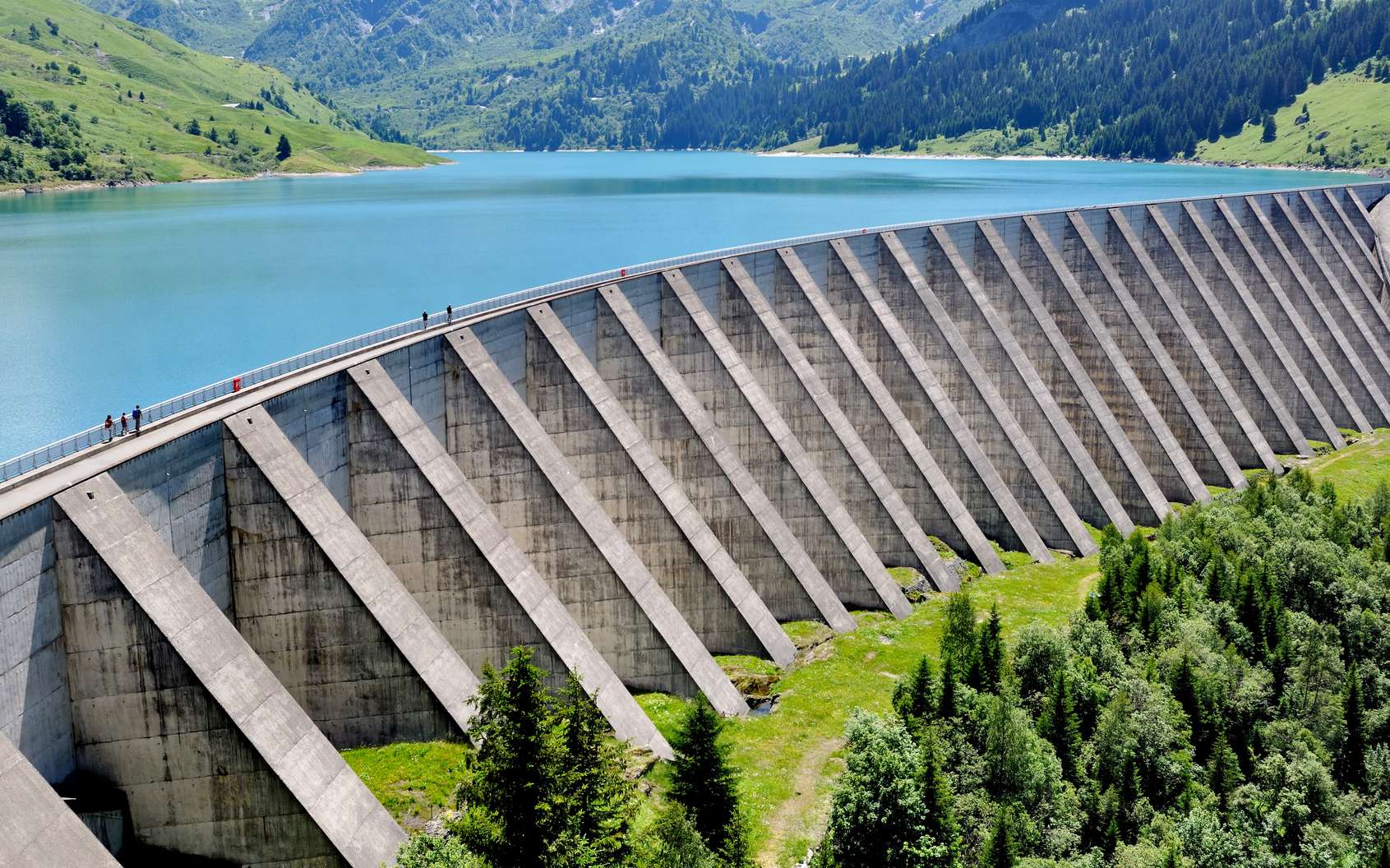
Water has become one of the country’s biggest challenges. Each person now has access to only about 620 cubic metres of water a year, putting Morocco among countries with chronic water shortages.
Seven years of drought have made the problem worse, with 2024 marking another dry year. Demand for water has also been rising by around 3% every year since 2016, driven by population growth, economic development and farming.
Authorities have relied more on groundwater as rivers and reservoirs have shrunk. Many underground water reserves are now being used faster than they can recover. Saltwater is also seeping into coastal aquifers, while pollution from agriculture, industry and households is affecting water quality.
Climate change is increasing the pressure. Heavy floods hit southeastern Morocco in September 2024 and Marrakech in April 2025 after periods of intense rainfall.
Current projections suggest average temperatures could rise by 2.3C by 2060. The country could also see nearly 30 more days of extreme heat every year. Annual rainfall is expected to fall by 17%, with summer rainfall dropping by as much as 40%.
The funding package includes three loans worth about $114m each. The European Union is contributing a $54m grant, while AFD is adding another $457,000.
About $374m of the funding will support government reforms in the water sector. The money will be released as agreed targets are met.
Another $23m will pay for technical support, studies, pilot projects, monitoring systems and training.
The programme is expected to begin in September 2026 and run for five years. A team of specialists will work with the Ministry of Equipment and Water to help deliver the reforms and monitor progress.
The plan has seven main goals. These include improving data on water resources, strengthening the response to droughts and floods, protecting groundwater, preserving biodiversity, expanding integrated water management, improving gender equality and strengthening institutions.
Work will focus on four areas.
The first is collecting better data on rivers, dams, groundwater and water quality.
The second is improving the response to droughts and floods, including through nature-based solutions.
The third is cutting industrial pollution and increasing the reuse of treated wastewater for farming.
The fourth is protecting overused aquifers through artificial recharge, better management and stronger enforcement of water laws.
The Ministry of Equipment and Water, the Ministry of the Interior, the Ministry of Agriculture and the Ministry of Economy and Finance will oversee the programme.
Two steering committees will supervise implementation, while a Programme Coordination Unit will manage day-to-day work with support from river basin agencies and international partners.
The programme also includes annual Morocco-Europe water seminars, workshops and training for public officials.
Around $1.3m has been set aside for these activities, including $914,000 for training, $228,000 for an annual Morocco Europe seminar and $114,000 for launch, midterm and closing workshops.
A digital monitoring system will track spending, reforms, project progress and risks throughout the programme.