
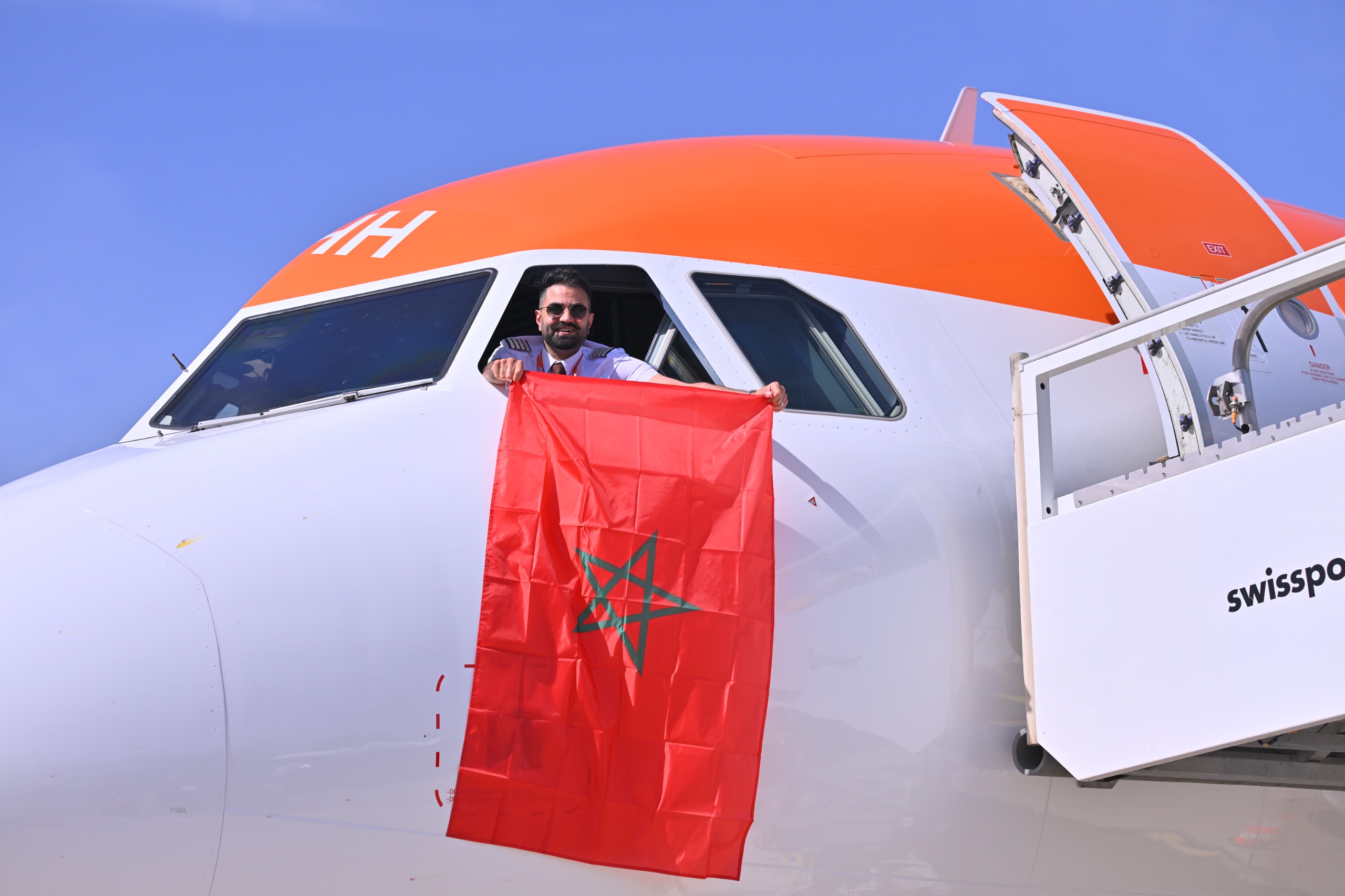
easyJet has just made a big move in Morocco by opening its first ever base in Africa, right in Marrakech. The airline is adding new flight routes, more year-round services and millions of extra seats as it doubles down on travel to the country.
The new base at Marrakech-Menara Airport has three aircraft permanently stationed there. easyJet expects to offer around four million seats in the first year alone. The project comes from a long-term partnership signed with the Moroccan National Tourism Office in late 2025.
The airline says the base will create around 100 direct jobs and support thousands more in tourism and related businesses. It also strengthens easyJet’s position as the second biggest airline in Marrakech and the third biggest in Morocco.
The launch comes with six new routes, bringing easyJet’s total Morocco network to 58 routes.
New winter routes now on sale include Prague to Marrakech from 25 October, Newcastle to Marrakech from 3 November 2026 and Zurich to Marrakech from 28 October. Each will run twice a week.
Three more routes are coming in spring. These are Nantes to Essaouira, Bordeaux to Agadir and Birmingham to Agadir.
Some popular seasonal routes are also becoming year-round. Flights to Marrakech from Lille, Strasbourg and Hamburg will now run throughout the year.
easyJet has been flying to Morocco since 2006 and has carried more than 20 million passengers to the country. By opening a permanent base, the airline can schedule earlier departures and later arrivals, which makes short breaks and business trips easier.
The move supports Morocco’s tourism roadmap, which aims to attract 17.5 million visitors a year by 2026.
The airline’s package business is growing too. easyJet holidays now offers more than 70 hotels in Marrakech, from traditional riads to luxury resorts, including new premium packages that started this April.
This expansion is part of a wider aviation boom in North Africa. European low-cost airlines are increasing flights as demand grows. Morocco’s airports are also expanding, with upgrades in Marrakech and Rabat designed to handle up to 26 million passengers by 2030 while using solar energy and water recycling systems.