
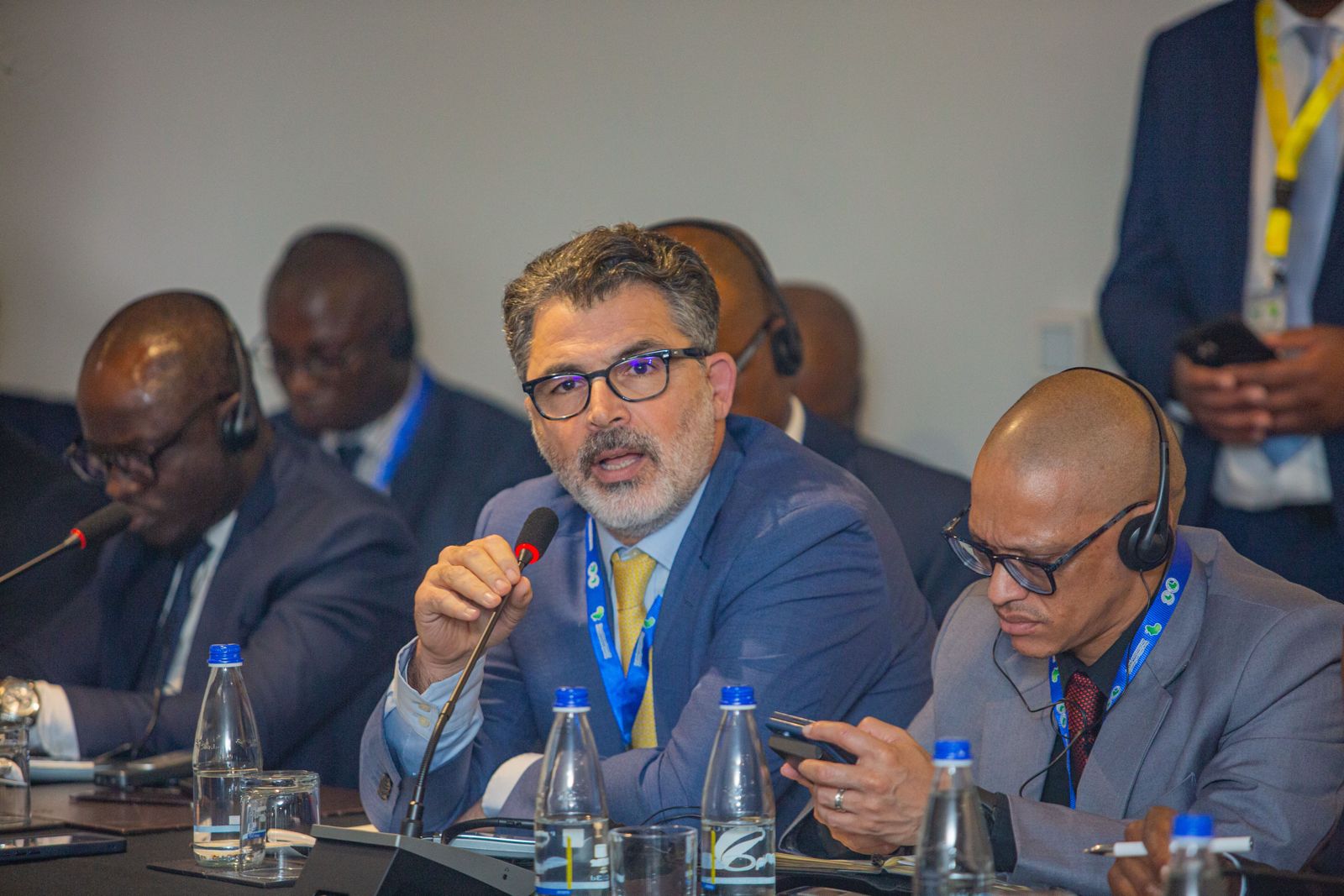
Morocco’s sovereign fund Ithmar Capital has joined African leaders and finance chiefs in signing the Abidjan Consensus, a plan to change how Africa pays for its development.
The agreement was adopted on 9 April during a high-level meeting hosted by the African Development Bank. It lays out a roadmap for a New African Financial Architecture for Development, known as NAFAD.
Africa needs about 400 billion dollars every year to fund development projects. The meeting brought together presidents, central bank governors and major investors to discuss how to unlock more money, especially through public-private partnerships.
Ithmar Capital helped shape ideas on how to attract big institutional investors and share financial risk. The fund said the goal is stronger financial independence for Africa while still working with international partners and private investors.
Leaders say Africa often pays higher borrowing costs because global markets see the continent as risky. This “African risk premium” makes projects more expensive.
Yet Africa already has nearly four trillion dollars in savings in pension funds, sovereign funds and insurance companies. Much of this money is invested abroad instead of in African infrastructure. The new plan aims to redirect some of that cash back home.
The Abidjan Consensus includes an 11-point strategy.
It aims to create a continent-wide guarantee system to lower borrowing costs. It promotes financing in local currencies to reduce exchange-rate risks. It also wants better project preparation so investors see infrastructure projects as ready and reliable.
Ithmar Capital, once focused on tourism, is now a broader development fund. Morocco has been using public money to reduce risk and attract private investors. Officials say this approach could be copied by other countries.
In March, the African Development Bank invested 15 million dollars in a private equity fund supporting African businesses.
In February, Nigeria signed a public-private partnership deal with the International Finance Corporation to prepare infrastructure projects.
Earlier this year, the African Union presented NAFAD as a key tool for economic independence.
Meanwhile, Afreximbank says its assets have reached 48.5 billion dollars, showing the growing strength of African financial institutions.