
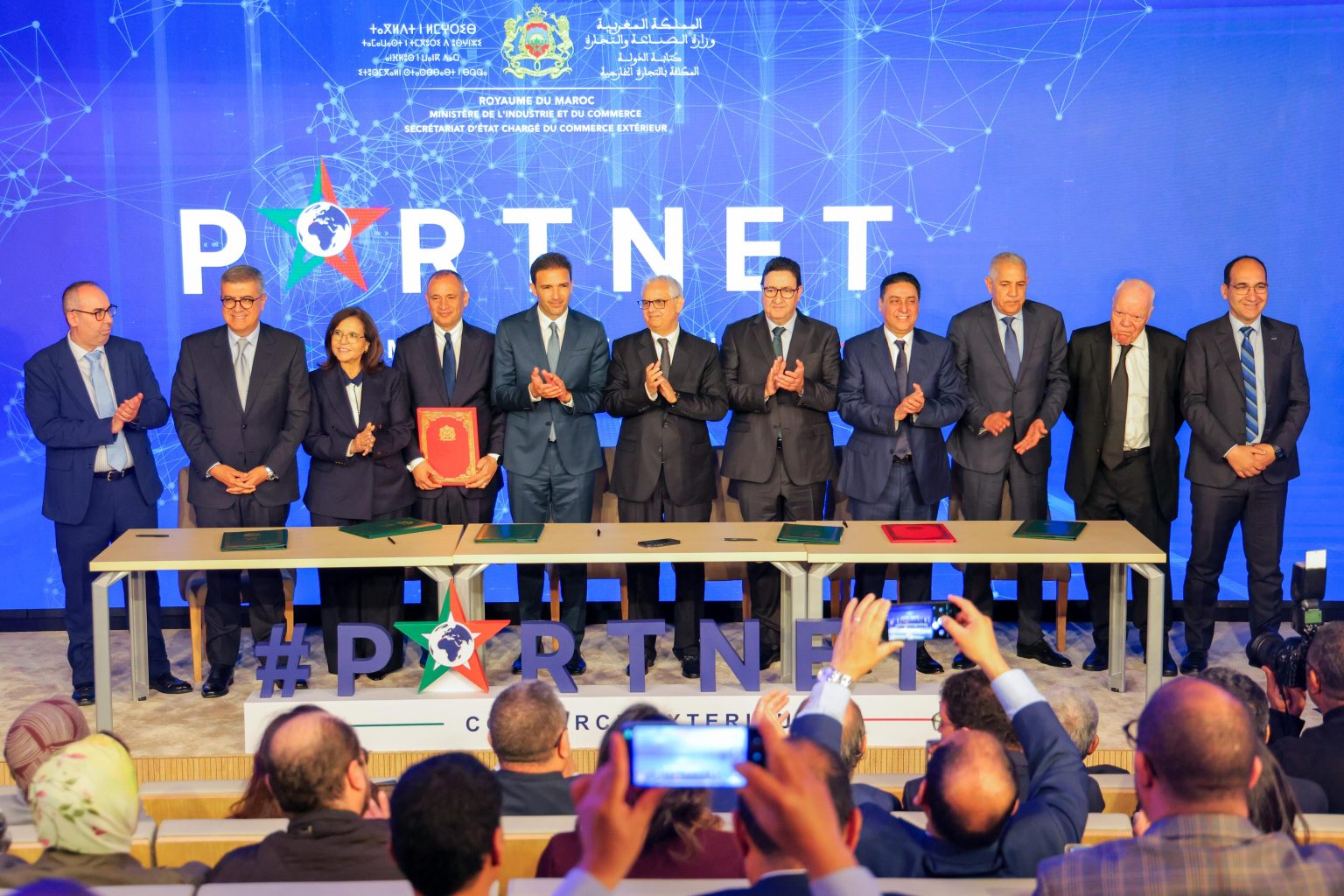
Morocco has introduced a new online platform to make it easier and faster to import and export goods, in a move aimed at cutting delays, reducing costs and improving how different government services work together.
The Moroccan Foreign Trade Procedures Portal was officially launched on Monday in Casablanca. It brings together several key institutions, including customs, port authorities, the foreign trade department and PortNet, into one digital system.
Who is involved in the new system?
Instead of companies dealing with multiple systems and repeating the same information, they now submit everything through one platform. This should improve communication between departments, reduce errors and make trade procedures more transparent.
The system will gradually cover sea, air and land transport. PortNet will lead the rollout with government agencies and private sector partners.
More than 100,000 users are expected to use the platform, including importers, exporters, logistics companies, banks and public services.
How much faster could things become?
The system could cut processing times for some procedures by 20% to 50%. Faster approvals should also reduce storage delays and overall shipping costs.
Omar Hejira, Secretary of State for Foreign Trade, said the reform is part of wider efforts to modernise the economy under King Mohammed VI. “Modern competitiveness is no longer just about production capacity, it relies heavily on administrative speed and seamless coordination.”
The platform is designed to handle up to 40 million documents a year and will allow businesses to track their files in real time. It is expected to be rolled out nationwide on 15 June 2026.
The fishing sector is expected to benefit strongly. Zakia Driouich, Secretary of State for Fisheries, said 85% of Morocco’s fishing output is exported. Her department already uses digital systems to issue tens of thousands of export certificates each year, which will now be connected to the new platform.
Several agreements were also signed at the launch, including a partnership that brings the Tanger Med Port Authority into PortNet’s structure.
Which sectors stand to benefit most?
The platform will also support major export industries like cars, aerospace and chemicals by cutting paperwork and allowing companies to submit information once instead of multiple times.
The project is part of Morocco’s Foreign Trade Plan for 2025 to 2027, which aims to improve supply chains and boost trade.
What are the expected economic gains?
Morocco’s total foreign trade now stands at about 1,300 billion dirhams. Imports make up 830 billion, while exports account for 470 billion.
The new system will connect more than ten government bodies involved in trade, including agriculture, health and food safety agencies.
Authorities expect it to reduce the time goods spend in ports from 13 days to 8 days. Import paperwork could also drop from seven days to four.