
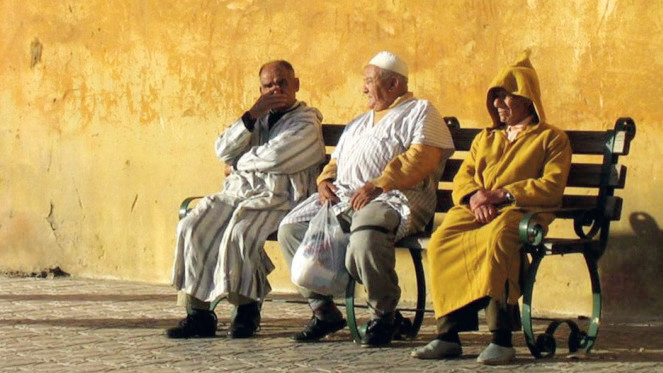
Morocco’s population is getting older, and the shift is happening faster than many expect, according to new figures from the country’s statistics agency.
The High Commission for Planning says people aged 60 and above will make up 23.2% of the population by 2050, compared with 9.4% in 2014. That is more than double in just a few decades.
The report warns this will put more pressure on pensions, healthcare, and public finances, especially as many workers are still outside the formal system.
More than three-quarters of Morocco’s workers are in informal jobs, meaning they often do not have pensions or social protection.
There is also a clear gender gap in work. In 2024, only 19% of women were in the labour force, compared with nearly 69% of men.
Pension coverage shows the same divide. Only 15% of women aged 60 and over receive a pension, compared with 37% of men. Women also receive much lower retirement incomes, with the report saying women get about nine times less on average.
The HCP says ageing is not the main problem on its own. It says the issue is deeper, linked to long-standing weaknesses in jobs, formal employment, and social contribution systems.
Without changes, the report says Morocco could face serious pressure on its social security system from the 2040s.
The shift is already visible in daily life. Families are getting smaller. The average household size has dropped from 4.6 people to 3.9 in ten years. At the same time, women are having fewer children, with the fertility rate now about 1.97 children per woman, which is below the level needed to replace the population.
This means fewer extended families are available to care for older relatives, which was once a key part of life in Morocco.
Women are also doing most of the unpaid care work. They carry about 84% of household and caregiving duties, according to the report.
Many women say they cannot take paid jobs because they are looking after children or elderly family members.
Young people are also under pressure. Youth unemployment stands at around 10.8%, rising to more than 29% for those aged 15 to 24. About one in three young people are not in education, employment or training.
At the same time, some young skilled workers are leaving the country, adding more strain to the future workforce.
Experts say Morocco will need more formal jobs and better support systems. Ideas being discussed include expanding childcare and elder care services, and building a “silver economy” focused on goods and services for older people.
Without those changes, the report warns the financial pressure on the state will grow steadily over the next two decades.