
People living with diabetes in Morocco could one day gain access to a new treatment designed to stop dangerous foot infections before they lead to amputations.
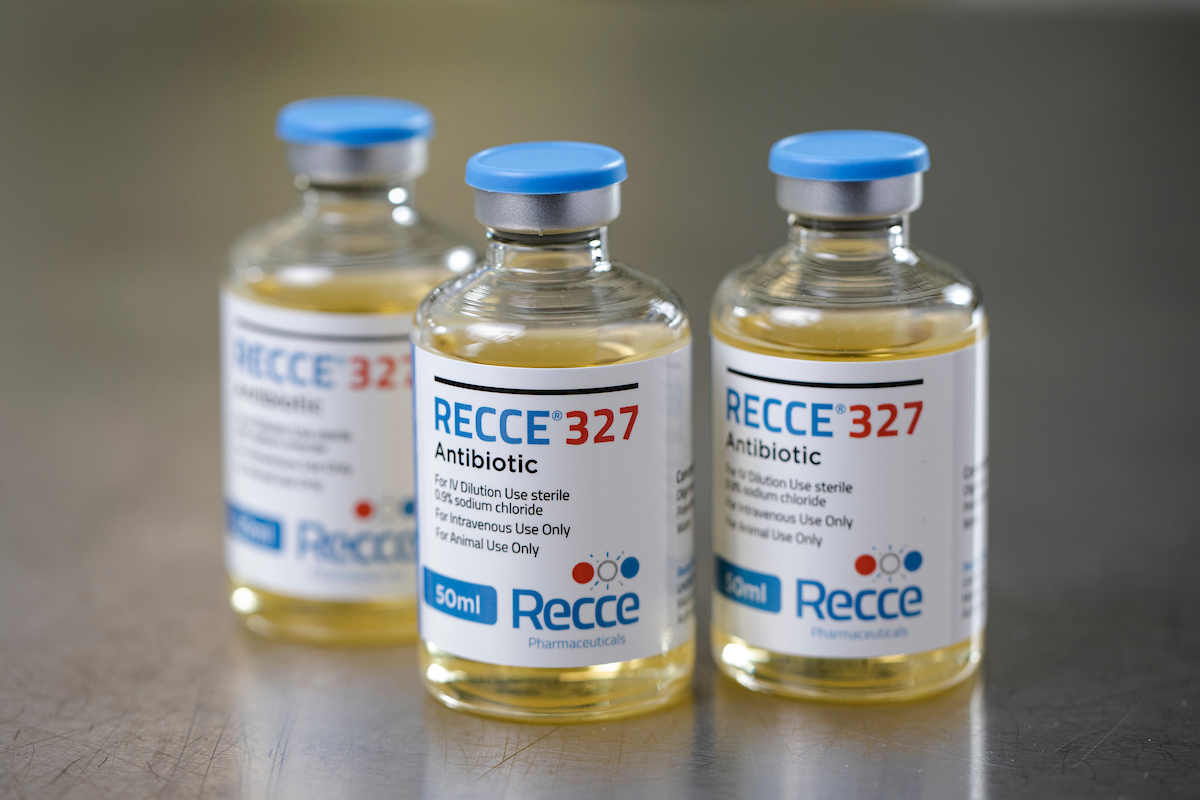
Australian biotech company Recce Pharmaceuticals has signed a preliminary deal with a major Middle Eastern pharmaceutical firm to sell and distribute its R327 topical gel across the Middle East and North Africa.
The proposed 10-year agreement includes Morocco, Saudi Arabia, the United Arab Emirates, Kuwait, Oman, Bahrain, Qatar, Iraq, Egypt and Algeria.
The treatment targets diabetic foot infections, one of the most serious complications linked to diabetes. Small wounds or cuts can quickly become infected because many diabetic patients suffer from poor blood circulation and nerve damage. In severe cases, the infection can spread to the bone and lead to amputation.
Around 84 million people across the Middle East and North Africa are living with diabetes. In Saudi Arabia alone, about 23.1% of the population is affected.
The agreement is still non-binding and both sides are now working towards a final contract.
Under the proposed terms, Recce would receive upfront and milestone payments worth up to $3.5m. The company would also take 30% of the treatment’s net selling price and an extra 6% royalty on annual sales above $50m.
Each treatment could cost around $1,500, although the final price still needs approval from Saudi health authorities.
Investors reacted positively to the announcement. Recce shares jumped by up to 10% during Wednesday trading.
Unlike traditional antibiotics, R327 is fully made in a laboratory and works by rapidly destroying bacteria and shutting down their energy supply. The company says this makes it harder for bacteria to develop resistance.
The treatment is designed to fight dangerous drug-resistant bacteria including MRSA and Pseudomonas aeruginosa, which are common in infected diabetic wounds.
The World Health Organization has listed R327 among antibacterial treatments currently in clinical development. The US Food and Drug Administration has also granted it special fast-track status for infectious diseases.
Recce is currently running a Phase III clinical trial for the gel in Indonesia. Interim results are expected later this year as the company pushes towards its first commercial launch in Southeast Asia.
The Australian company is also developing other treatments for severe bacterial and viral infections as it tries to move from research into full commercial production.