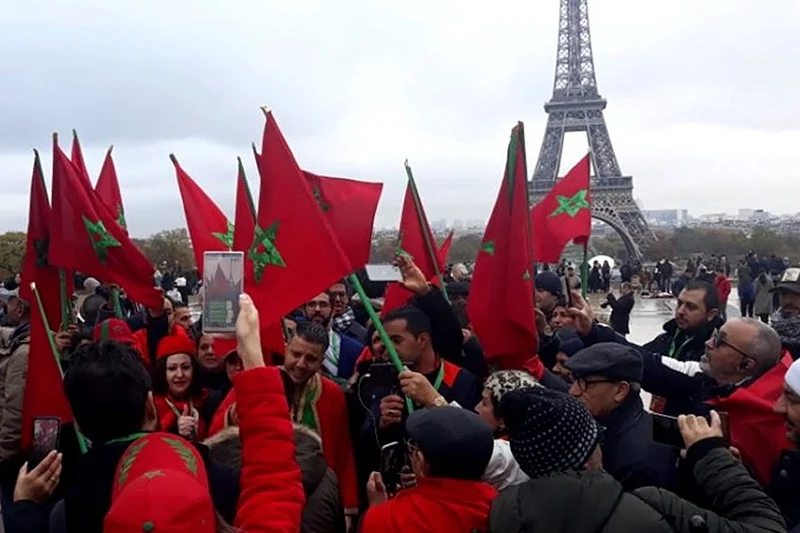
Moroccans living abroad will have the chance to explore investment opportunities across the country during Investment Week for Moroccans of the World, which will run from August 10 to 13.
The Ministry of Investment, Convergence and Evaluation of Public Policies is organising the event with the Regional Investment Centers (CRIs). The four-day programme aims to help Moroccans abroad start or expand businesses by offering practical support at every stage of their projects.
Investment Week is part of the country’s plan to encourage more private investment and create jobs. It also supports the implementation of the Investment Charter, which aims to make investing easier, attract more projects and spread investment across all 12 regions.
Regional Investment Centers will hold one-to-one meetings with participants, explain available financial incentives and present business opportunities in different regions and sectors. Local business leaders will also take part in discussions.
Small business projects will receive special attention. Entrepreneurs will learn about the support available for micro, small and medium-sized enterprises (MSMEs), including funding options, eligibility rules and guidance throughout the investment process.
The centres will also offer personalised coaching to help investors understand the Investment Charter and identify projects in sectors with strong growth potential. Support will continue after the event, with Regional Investment Centers providing assistance throughout the year in Morocco and abroad.
The Investment Charter offers several financial incentives. Eligible projects can receive grants covering up to 30% of investment costs. Projects investing more than 50 million Moroccan dirhams ($5.4 million) or creating at least 50 permanent jobs can qualify under the main support scheme.
Extra grants of 10% to 15% are available for projects in rural and developing provinces. Priority sectors, including renewable energy, digital technology, tourism, manufacturing and outsourcing, can receive an additional 5% bonus.
The MSME support scheme targets businesses with annual revenue of 1 million to 200 million Moroccan dirhams through tailored subsidies and lower investment requirements.
The government wants the Investment Charter to attract 550 billion Moroccan dirhams ($59.5 billion) in private investment and create 500,000 jobs. It also supports the New Development Model, which aims for private investment to account for 66% of total investment by 2035.
Moroccans living abroad send more than 115 billion Moroccan dirhams ($12.5 billion) home every year, equal to around 8% of GDP. Most of that money has traditionally gone to family support, savings and housing.
Investment Week aims to encourage more of those funds to go into businesses, manufacturing, digital technology and other productive sectors. Authorities are also promoting opportunities in regions beyond the Casablanca-Rabat corridor, including Souss-Massa, the Oriental, Tangier-Tetouan-Al Hoceima and the Southern Provinces.
Many Moroccans living abroad work in senior technical, business and management roles across Europe, North America and the Gulf. The initiative aims to bring not only their investment but also their expertise, technology and international business networks.