
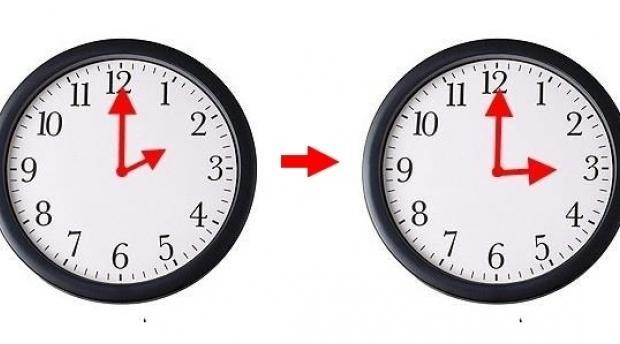
Morocco is set to switch back to GMT+1 on Saturday night after Eid al-Fitr. Many Moroccans are calling for the government to stop using daylight saving time altogether.
A petition against GMT+1 has now collected over 70,000 signatures, far more than the 25,000 needed to submit a formal motion to parliament. Around 20,000 people signed in the last few days before the time change.
The petition, led by the “National Campaign for a Return to Standard Time,” says the extra hour disrupts people’s natural sleep and daily routines, affecting health, school performance, and work. It points out that students are particularly affected, with fatigue and trouble concentrating.
A study in February 2026 by the African Center for Strategic and Digital Studies found that GMT+1 causes shorter sleep, dark morning commutes, and difficulty focusing in school. Teenagers and students, whose sleep schedules are naturally later, are hit hardest.
The government says the switch to GMT+1 will go ahead as planned. Officials defend the system, saying it saves energy, keeps business hours in line with European partners like France and Spain, and helps workers and students get home before dark in winter.
GMT+1 became Morocco’s permanent time in 2018, two days before the country was due to go back to standard time. The change led to protests, with students skipping school and holding marches and sit-ins.
Critics point out that winter mornings are very dark in cities such as Casablanca and Rabat, sometimes not seeing the sun until 8:30am. This affects students, workers, and commuters, causing fatigue and safety concerns.
Morocco temporarily suspends GMT+1 during Ramadan each year, but then returns to it after Eid. Opponents say this “double shift” in a short period makes the disruption even worse.
The petition now meets the legal requirements to be considered by parliament. The next steps are for officials to check that all signatures come from registered voters. If accepted, the motion could be debated in the House of Representatives and possibly lead to GMT becoming the standard time again.
The process involves a committee of at least nine voters, verification of all signatures, review by a Petitions Committee within 30 days, and debate in parliament. The government can still block the change if it would increase costs or reduce public resources, which has kept GMT+1 in place so far.
Moroccans have protested against GMT+1 every year since 2018, but the government has continued to keep it, saying it helps the economy and energy use. Other countries, like those in the European Union, have also debated ending clock changes.